
How to Prevent Bed Runaway Temperature in RCO Equipment for High-Concentration Exhaust Gas Treatment
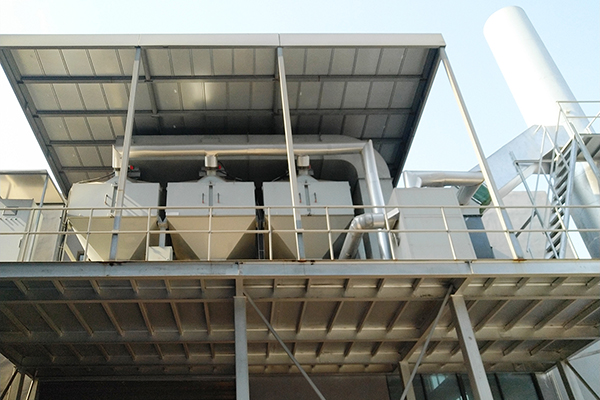
When dealing with high-concentration exhaust gases in industrial processes, Regenerative Catalytic Oxidation (RCO) equipment is a highly effective solution for VOC abatement. However, a critical challenge arises: preventing bed runaway temperature, which can lead to equipment damage, reduced efficiency, and safety hazards. This article explores the mechanisms and strategies to mitigate this issue, ensuring optimal performance and longevity of RCO systems.
What is Bed Runaway Temperature in RCO Systems?
Bed runaway temperature refers to an uncontrolled temperature spike within the catalytic bed of an RCO device, often caused by excessive exothermic reactions during the oxidation of volatile organic compounds (VOCs). In high-concentration exhaust gas scenarios, the heat generated can overwhelm the system's cooling capacity, leading to catalyst degradation, thermal stress, and potential failure. Understanding this phenomenon is the first step toward effective prevention.
How RCO Equipment Works: A Brief Overview
RCO equipment operates by passing exhaust gases through a catalyst bed at elevated temperatures, typically between 250°C to 400°C, to oxidize VOCs into carbon dioxide and water. The system includes heat exchange mechanisms to recover energy, but when treating high-concentration exhaust gas, the thermal load can increase rapidly. Key components include:
Catalytic beds with precious metal or base metal catalysts.
Regenerative heat exchangers for energy efficiency.
Control systems to monitor temperature and flow rates.
Proper design and operation are crucial to handle variations in VOC concentrations and prevent bed runaway temperature.
Key Strategies to Prevent Bed Runaway Temperature
To avoid bed runaway temperature in RCO equipment when processing high-concentration exhaust gas, several proven strategies can be implemented. These approaches focus on temperature control, system design, and operational adjustments.
Dilution and Pretreatment: Introducing fresh air or recirculated gas to dilute high-concentration exhaust gas before it enters the catalytic bed. This reduces the VOC load and moderates exothermic heat generation.
Advanced Temperature Monitoring: Installing multiple thermocouples at different points in the bed to provide real-time data. Automated controls can adjust airflow or initiate cooling if temperatures approach critical levels.
Catalyst Selection and Bed Design: Using catalysts with high thermal stability and designing beds with enhanced heat dissipation properties. Staged bed configurations can also distribute heat more evenly.
Emergency Cooling Systems: Incorporating redundant cooling mechanisms, such as water or air quenching, to rapidly lower temperatures during unexpected spikes.
These measures ensure that RCO equipment maintains safe operating conditions, even under fluctuating industrial loads.
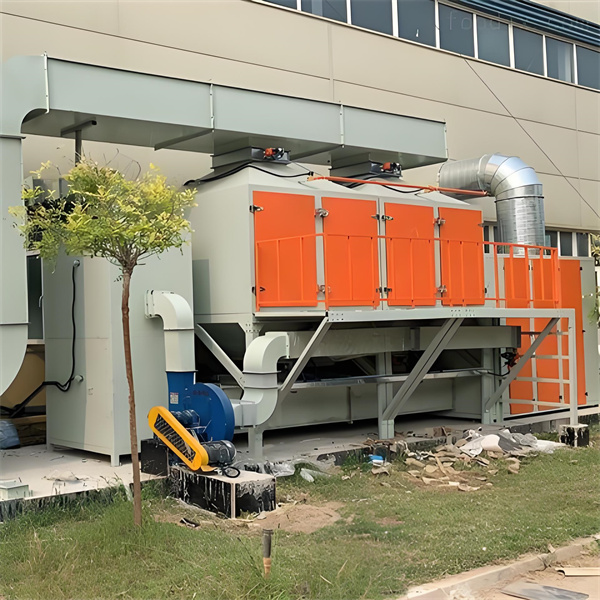
Zhengzhou Puhua Technology: Expert Solutions for RCO Systems
As a leading manufacturer of environmental protection equipment in Henan, Zhengzhou Puhua Technology specializes in providing comprehensive solutions for exhaust gas treatment, including RCO catalytic combustion equipment. With expertise in designing and producing dust removal devices, desulfurization units, denitrification systems, VOC abatement equipment, and wastewater treatment plants, the company offers tailored RCO systems that integrate advanced features to prevent bed runaway temperature. Their product range includes:
RCO catalytic combustion equipment with robust temperature control.
Customized designs for high-concentration exhaust gas applications.
Support for installation and maintenance to ensure long-term reliability.
By leveraging innovative engineering, Zhengzhou Puhua Technology helps industries achieve efficient and safe VOC treatment, minimizing risks associated with thermal runaway in RCO equipment.
Best Practices and Operational Tips
Beyond technical strategies, adhering to best practices can further enhance prevention of bed runaway temperature. Consider the following recommendations:
| Practice | Benefit |
|---|---|
| Regular maintenance of catalysts and heat exchangers | Ensures optimal heat transfer and reaction efficiency |
| Continuous training for operators on system limits | Promotes proactive response to temperature fluctuations |
| Integration with process control systems | Enables automated adjustments based on real-time data |
These steps, combined with reliable equipment from suppliers like Zhengzhou Puhua Technology, contribute to sustainable and cost-effective operations.
Conclusion
Preventing bed runaway temperature in RCO equipment during high-concentration exhaust gas treatment is essential for safety, efficiency, and compliance. Through diligent design, monitoring, and operational strategies, industries can mitigate risks and extend equipment life. Partnering with experienced providers such as Zhengzhou Puhua Technology ensures access to specialized solutions that address these challenges effectively. By implementing the insights shared here, businesses can optimize their VOC treatment processes and contribute to a cleaner environment.
Related Articles
-

Zeolite Fixed Bed+Catalytic Combustion Equipment (RCO)
[list:visits]
-

Resin desorption+condensation recovery equipment
[list:visits]
-

Cooking oil fume purifier
[list:visits]
Subscribe to Our Newsletter
Stay updated with the latest news and insights from Puhua Tech.