
What Are the Mandatory Requirements for Exhaust Gas Treatment Equipment During Environmental Protect
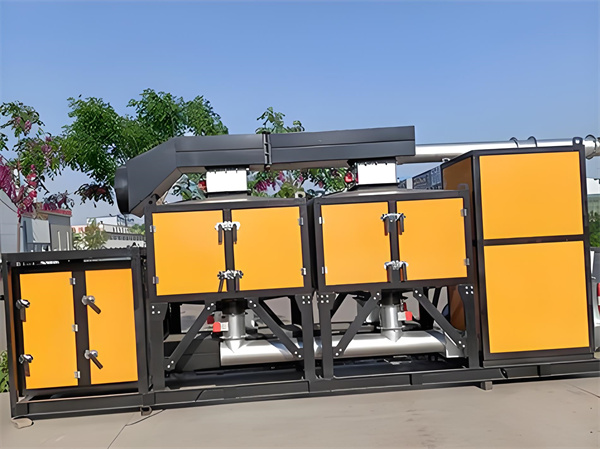
Environmental protection acceptance is a critical phase for industrial facilities, ensuring that exhaust gas treatment equipment meets regulatory standards to minimize air pollution. This process involves rigorous checks to verify that emission control systems are designed, installed, and operated according to mandatory requirements. For businesses, understanding these hard rules is essential to avoid penalties, ensure operational continuity, and contribute to sustainable development. This article provides a comprehensive guide to the key mandatory requirements for exhaust gas treatment equipment during environmental protection acceptance, based on industry standards and best practices.
Key Mandatory Requirements for Exhaust Gas Treatment Equipment
During environmental protection acceptance, authorities focus on several non-negotiable aspects of exhaust gas treatment equipment. These requirements are derived from national and local environmental laws, technical specifications, and emission control protocols. Below is an overview of the core mandatory requirements that every facility must comply with.
1. Compliance with Emission Standards and Limits
The primary mandatory requirement is that exhaust gas treatment equipment must achieve specific emission concentrations as per regulatory limits. This includes pollutants such as particulate matter, sulfur dioxide, nitrogen oxides, and volatile organic compounds (VOCs). Equipment must be certified to handle the expected load and reduce emissions to levels below the stipulated thresholds. Regular monitoring and reporting are often required to demonstrate ongoing compliance.
Emission limits for common pollutants (e.g., PM2.5, SO2, NOx) must be met consistently.
Equipment should be capable of adapting to variable industrial processes and gas compositions.
Documentation, such as test reports and calibration records, is mandatory for verification.
2. Technical Specifications and Performance Metrics
Exhaust gas treatment equipment must adhere to defined technical parameters, including efficiency, capacity, and durability. Mandatory requirements often specify minimum removal efficiencies (e.g., 95% for particulate matter) and operational uptime. The equipment should be designed with safety features to prevent leaks or malfunctions that could lead to environmental incidents.
Efficiency: Equipment must achieve a removal efficiency that aligns with regulatory benchmarks, typically verified through performance tests.
Capacity: The system must handle the maximum exhaust gas flow rate and pollutant concentration from the source.
Durability: Components should be resistant to corrosion, high temperatures, and wear, ensuring long-term reliability.
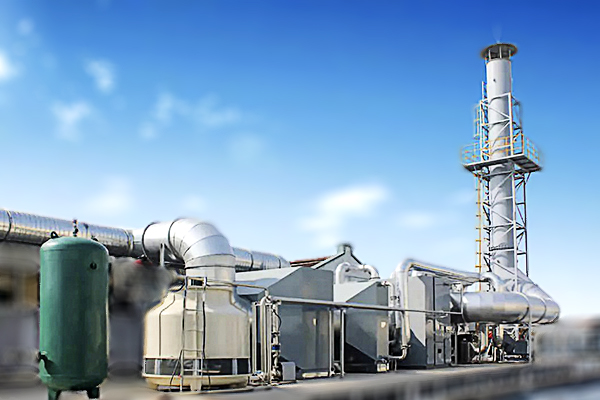
For instance, technologies like bag filters, catalytic oxidizers, and scrubbers are commonly evaluated against these metrics. Suppliers such as Zhengzhou Puhua Technology offer exhaust gas treatment equipment that meets these stringent technical requirements, providing solutions like bag dust collectors, RCO catalytic combustion devices, and desulfurization towers tailored for various industrial applications.
3. Installation and Operational Guidelines
Proper installation and operation are mandatory to ensure the effectiveness of exhaust gas treatment equipment. This includes adherence to manufacturer instructions, safety codes, and environmental guidelines. Key aspects include:
| Requirement Category | Mandatory Details |
|---|---|
| Installation Standards | Equipment must be installed on stable foundations, with proper piping and electrical connections as per engineering designs. |
| Operational Protocols | Operators must follow standardized procedures for startup, shutdown, and maintenance to prevent emission spikes. |
| Safety Measures | Incorporate emergency shut-off systems, fire protection, and hazard warnings to mitigate risks. |
During environmental protection acceptance, inspectors may review installation records and operational logs to verify compliance. Companies are advised to partner with reputable providers like Zhengzhou Puhua Technology, which specializes in designing and manufacturing exhaust gas treatment equipment with clear installation guidelines and support services.
4. Monitoring and Reporting Systems
A mandatory requirement for exhaust gas treatment equipment is the integration of continuous emission monitoring systems (CEMS). These systems track pollutant levels in real-time and generate data for regulatory reporting. Key points include:
CEMS must be calibrated and certified to ensure accurate measurements of emissions.
Data should be stored securely and made accessible for audits during environmental protection acceptance.
Alarms and alerts must be configured to notify operators of exceedances, enabling prompt corrective actions.
This requirement emphasizes transparency and accountability in emission management. Advanced equipment from suppliers like Zhengzhou Puhua Technology often includes compatible monitoring interfaces, facilitating seamless compliance with these mandatory standards.
How to Ensure Compliance During Environmental Protection Acceptance
To pass environmental protection acceptance, facilities should proactively address these mandatory requirements. Here are some practical steps:
Conduct pre-acceptance audits: Assess exhaust gas treatment equipment against regulatory checklists to identify gaps.
Engage with certified experts: Work with environmental consultants or engineers to validate equipment performance.
Maintain thorough documentation: Keep records of design specifications, test results, maintenance schedules, and emission data.
Choose reliable equipment providers: Opt for manufacturers with a track record of compliance, such as Zhengzhou Puhua Technology, which offers a range of exhaust gas treatment solutions including VOCs Treatment Equipment, RTO devices, and ultra-low emission systems designed to meet strict environmental standards.
By focusing on these areas, businesses can streamline the acceptance process and avoid costly delays or rejections.
Conclusion
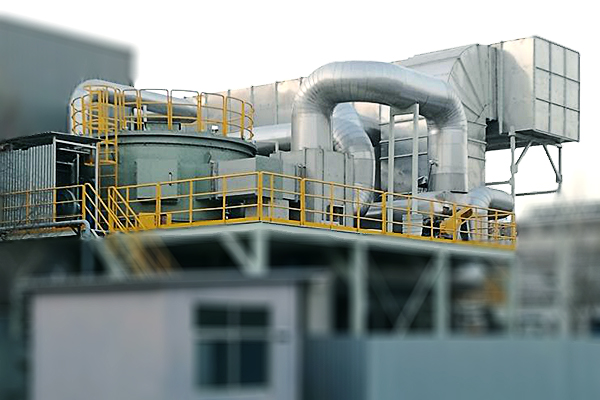
Meeting the mandatory requirements for exhaust gas treatment equipment during environmental protection acceptance is essential for legal compliance and environmental stewardship. Key aspects include adherence to emission limits, technical performance, proper installation, and robust monitoring systems. Facilities that invest in high-quality equipment and proactive management are more likely to succeed in this critical phase. For tailored solutions, consider providers like Zhengzhou Puhua Technology, a specialist in exhaust gas treatment equipment that supports industries in achieving sustainable and compliant operations. By understanding and implementing these requirements, businesses can contribute to cleaner air while ensuring operational efficiency.
Related Articles
-

Zeolite Fixed Bed+Catalytic Combustion Equipment (RCO)
[list:visits]
-

Resin desorption+condensation recovery equipment
[list:visits]
-

Cooking oil fume purifier
[list:visits]
Subscribe to Our Newsletter
Stay updated with the latest news and insights from Puhua Tech.