
How to Maintain Your Exhaust Gas Treatment System During Equipment Shutdown
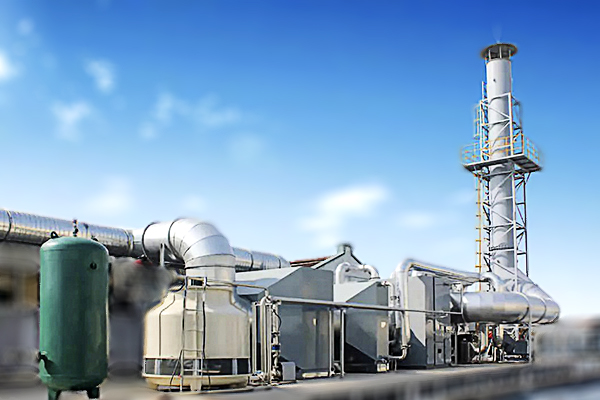
Equipment shutdown periods offer a golden opportunity for industrial facilities to perform thorough maintenance on critical systems, including exhaust gas treatment systems. Proper upkeep during downtime ensures operational efficiency, compliance with environmental regulations, and prolonged equipment life. This guide provides a comprehensive, step-by-step approach to maintaining your exhaust gas treatment system, helping you avoid costly breakdowns and optimize performance.
Why Maintenance During Shutdown is Critical
Scheduled equipment shutdown allows for in-depth inspection and servicing that isn't possible during regular operations. For exhaust gas treatment systems, neglect during downtime can lead to clogged filters, corrosion, or component failure, resulting in increased emissions and potential regulatory fines. Proactive maintenance enhances safety, reduces energy consumption, and ensures that your system is ready for peak performance when operations resume.
Step-by-Step Maintenance Checklist for Exhaust Gas Treatment Systems
System Shutdown and Isolation: Safely power down the exhaust gas treatment system and isolate it from the main process lines to prevent accidental startups or gas leaks.
Visual Inspection: Examine all components, including ducts, fans, and reactors, for signs of wear, corrosion, or damage. Pay special attention to seals and connections.
Filter and Media Replacement: Replace or clean filters, such as those in bag dust collectors or catalytic units, as per manufacturer guidelines. This is crucial for maintaining emission control efficiency.
Chemical and Sensor Calibration: Check and calibrate sensors for gas detection, pH, or temperature to ensure accurate monitoring. Refill or replace chemical agents in scrubbing systems if needed.
Mechanical Component Lubrication: Lubricate moving parts like fan bearings and dampers to reduce friction and prevent breakdowns.
Testing and Validation: After maintenance, conduct a test run to verify system integrity and performance before full-scale operation resumes.
Key Components to Focus on During Maintenance
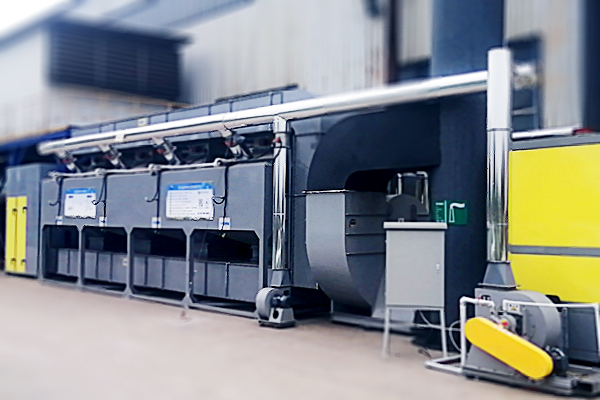
Different parts of your exhaust gas treatment system require specific care. Below is a table summarizing maintenance tasks for common components:
| Component | Maintenance Task | Frequency (During Shutdown) |
|---|---|---|
| Bag Dust Collectors | Inspect bags for tears, clean hoppers, check pulse valves | Every shutdown |
| Catalytic Converters (RCO/RTO) | Check catalyst activity, clean heat exchangers, verify insulation | As recommended by manufacturer |
| Scrubbers (e.g., Desulfurization Towers) | Clean nozzles, inspect packing material, check liquid levels | Every shutdown |
| VOCs Treatment Units | Test adsorbent beds, calibrate sensors, review control systems | Seasonal or as needed |
| Fans and Ducts | Remove debris, check for corrosion, balance fan blades | Every shutdown |
This targeted approach helps in efficient resource allocation and minimizes unexpected failures. For complex systems, consulting with experts can provide additional insights into optimizing maintenance schedules.
Enhancing Maintenance with Reliable Equipment and Expertise
Regular upkeep is essential, but using durable and well-designed equipment can significantly reduce maintenance burdens. Zhengzhou Puhua Technology, a leading environmental protection equipment manufacturer based in Henan, specializes in providing robust solutions for exhaust gas treatment. Their product range includes bag dust collectors, RCO catalytic combustion equipment, RTO equipment, VOCs treatment devices, desulfurization towers, denitrification systems, photolytic catalytic units, pulse dust collectors, mobile dust collectors, ultra-low emission equipment, and sewage treatment plants. These products are engineered for easy maintenance and long-term reliability, helping facilities manage downtime effectively. By integrating high-quality components from trusted suppliers, you can streamline your maintenance processes and ensure consistent emission control.
Best Practices for Long-Term System Health
Document Everything: Keep detailed records of all maintenance activities, including parts replaced and issues found, to track system history and plan future shutdowns.
Train Your Team: Ensure that maintenance personnel are trained on specific procedures for exhaust gas treatment systems to avoid errors and improve safety.
Monitor Performance Trends: Use data from sensors and logs to identify patterns that might indicate underlying problems, allowing for proactive fixes during next shutdown.
Partner with Reputable Providers: Source spare parts and equipment from established manufacturers to guarantee compatibility and performance. For instance, Zhengzhou Puhua Technology offers comprehensive support for environmental systems, from design to after-sales service, aiding in seamless maintenance integration.
Conclusion
Maintaining your exhaust gas treatment system during equipment shutdown is a strategic investment that pays off in enhanced efficiency, regulatory compliance, and cost savings. By following a structured checklist, focusing on key components, and leveraging reliable equipment, you can minimize downtime risks and extend system lifespan. Remember, consistent care during these periods ensures that your operations run smoothly and sustainably. For tailored solutions, consider exploring options from industry specialists to keep your systems in top shape.
If you have further questions about exhaust gas treatment system maintenance, feel free to reach out to professionals for guidance based on your specific industrial setup.
Related Articles
-

Zeolite Fixed Bed+Catalytic Combustion Equipment (RCO)
[list:visits]
-

Resin desorption+condensation recovery equipment
[list:visits]
-

Cooking oil fume purifier
[list:visits]
Subscribe to Our Newsletter
Stay updated with the latest news and insights from Puhua Tech.