
How to Clean and Replace the Heat Exchanger in an RCO Device?
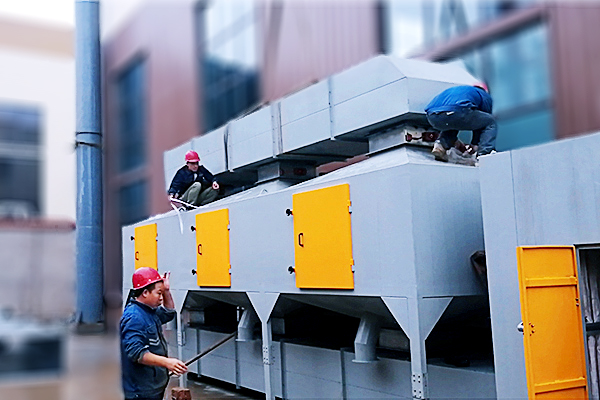
Regular maintenance of the heat exchanger in a Regenerative Catalytic Oxidation (RCO) device is crucial for ensuring optimal performance, energy efficiency, and compliance with environmental regulations. This comprehensive guide provides step-by-step instructions on cleaning and replacing the heat exchanger, helping industrial operators minimize downtime and extend equipment lifespan. By following these best practices, you can maintain your RCO system effectively and avoid costly repairs.
As a trusted provider of environmental protection solutions, Zhengzhou Puhua Technology specializes in manufacturing high-quality RCO catalytic combustion equipment and offers expert insights into maintenance procedures. Their expertise in VOCs treatment devices ensures that the advice shared here aligns with industry standards.
Understanding the Role of the Heat Exchanger in RCO Devices
The heat exchanger in an RCO device is responsible for recovering thermal energy from processed exhaust gases, preheating incoming air to reduce fuel consumption and enhance combustion efficiency. Over time, contaminants such as dust, grease, or chemical residues can accumulate on the exchanger surfaces, leading to reduced heat transfer, increased pressure drops, and potential system failures. Regular cleaning and timely replacement are essential to prevent these issues.
Step-by-Step Guide to Cleaning the RCO Heat Exchanger
Cleaning the heat exchanger involves a systematic approach to remove deposits safely and effectively. Before starting, ensure the RCO device is shut down, cooled, and isolated from power sources to prevent accidents. Here’s an ordered list of steps for thorough cleaning:
Safety Preparations: Wear protective gear, including gloves and goggles, and ventilate the area. Follow lockout-tagout procedures to secure the equipment.
Inspection: Visually examine the heat exchanger for signs of blockage, corrosion, or damage. Use tools like borescopes for hard-to-reach areas.
Disassembly: Carefully remove the heat exchanger from the RCO unit, referencing the manufacturer’s manual. Label components to aid reassembly.
Cleaning Methods: Choose an appropriate cleaning technique based on the type of fouling:
Mechanical Cleaning: Use brushes, scrapers, or compressed air to dislodge loose debris.
Chemical Cleaning: Apply approved solvents or detergents to dissolve stubborn residues, followed by rinsing with water.
Thermal Cleaning: For organic deposits, controlled heating may be effective, but avoid damaging the exchanger material.
Drying and Reassembly: Allow the heat exchanger to dry completely to prevent corrosion. Reinstall it securely, checking all connections for leaks.
Testing: Restart the RCO device and monitor parameters like temperature and pressure to ensure normal operation.

When and How to Replace the Heat Exchanger in an RCO Device
Replacement becomes necessary when the heat exchanger is severely damaged, corroded, or beyond repair due to wear and tear. Signs indicating replacement include persistent leaks, reduced efficiency despite cleaning, or physical cracks. Here’s a structured process for replacement:
Assessment: Evaluate the exchanger’s condition through testing and comparison with performance benchmarks. Consult with professionals like those at Zhengzhou Puhua Technology for accurate diagnostics.
Selection of Replacement Part: Choose a compatible heat exchanger that meets the RCO device specifications. Consider factors such as material (e.g., stainless steel for corrosion resistance) and design efficiency.
Removal of Old Exchanger: Safely disconnect and extract the faulty exchanger, following disassembly steps similar to cleaning.
Installation of New Exchanger: Position the new unit correctly, ensuring proper alignment and sealing. Tighten bolts evenly to avoid stress points.
System Check: Conduct a thorough inspection of the entire RCO system, including connected ducts and valves, before finalizing the installation.
Performance Verification: Run the RCO device under controlled conditions to verify that the new heat exchanger operates within desired parameters.
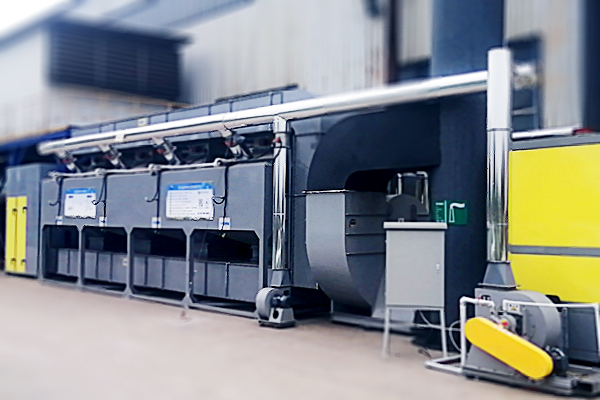
Maintenance Tips and Best Practices for RCO Heat Exchangers
To prolong the life of your heat exchanger and ensure reliable RCO operation, adopt a proactive maintenance schedule. The table below summarizes key activities and frequencies:
| Maintenance Activity | Recommended Frequency | Purpose |
|---|---|---|
| Visual Inspection | Monthly | Detect early signs of fouling or damage |
| Pressure Drop Measurement | Quarterly | Monitor efficiency declines |
| Thorough Cleaning | Annually or as needed | Remove accumulated contaminants |
| Professional Audit | Every 2-3 years | Assess overall system health |
Additionally, consider these best practices:
Use high-quality air filters upstream to reduce particulate entry into the exchanger.
Implement real-time monitoring systems to track temperature and pressure trends.
Train personnel on proper handling procedures to avoid accidental damage during maintenance.
For specialized support, Zhengzhou Puhua Technology offers tailored solutions for RCO maintenance, leveraging their experience in designing and manufacturing catalytic combustion equipment. Their products, including RCO devices and VOCs treatment systems, are engineered for durability and ease of service.
Conclusion
Cleaning and replacing the heat exchanger in an RCO device are critical tasks that require careful planning and execution. By following the guidelines outlined above, operators can ensure efficient performance, reduce energy costs, and comply with environmental standards. Regular maintenance, combined with expert advice from providers like Zhengzhou Puhua Technology, helps maximize the lifespan of RCO systems and supports sustainable industrial operations. Remember to always prioritize safety and consult equipment manuals or professionals when in doubt.
Related Articles
-

Zeolite Fixed Bed+Catalytic Combustion Equipment (RCO)
[list:visits]
-

Resin desorption+condensation recovery equipment
[list:visits]
-

Cooking oil fume purifier
[list:visits]
Subscribe to Our Newsletter
Stay updated with the latest news and insights from Puhua Tech.