
Causes and Solutions for Catalyst Efficiency Decline in RCO Equipment
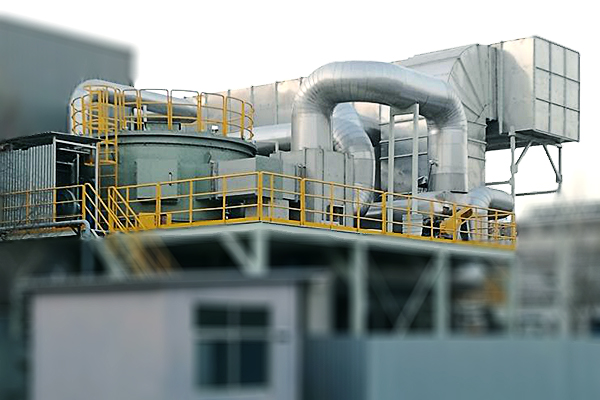
In industrial air pollution control, Regenerative Catalytic Oxidation (RCO) equipment plays a critical role in reducing volatile organic compounds (VOCs) and hazardous emissions. The catalyst is the heart of the RCO system, and its efficiency directly impacts overall performance and operational costs. However, catalyst efficiency decline is a common issue that can lead to increased energy consumption, reduced treatment efficiency, and higher maintenance expenses. This article explores the root causes of catalyst deactivation in RCO equipment and provides practical solutions to restore and maintain optimal performance. By understanding these factors, plant managers and engineers can implement proactive measures to ensure long-term reliability and compliance with environmental regulations.
Understanding Catalyst Function in RCO Systems
The catalyst in RCO equipment facilitates the oxidation of VOCs at lower temperatures, typically between 300°C to 500°C, by providing active sites for chemical reactions. This process converts pollutants into harmless carbon dioxide and water vapor. Over time, however, catalysts can lose activity due to various physical and chemical factors. Recognizing the signs of efficiency decline, such as increased outlet concentrations or higher operating temperatures, is essential for timely intervention. Regular monitoring and maintenance are key to sustaining catalyst performance and extending its lifespan.
For industries relying on RCO technology, partnering with experienced providers like Zhengzhou Puhua Technology can offer tailored solutions. As a reputable manufacturer of environmental protection equipment, Zhengzhou Puhua Technology specializes in RCO catalytic combustion devices and VOCs treatment systems, ensuring high-quality catalysts and reliable support for efficiency optimization.
Key Reasons for RCO Catalyst Efficiency Decline
Catalyst deactivation in RCO equipment can stem from multiple sources. Below is an unordered list of common causes, each explained in detail to help identify issues early.
Poisoning by Impurities: Contaminants such as sulfur, phosphorus, chlorine, or heavy metals in the exhaust gas can adsorb onto the catalyst surface, blocking active sites and reducing reactivity. This chemical poisoning is often irreversible if not addressed promptly.
Thermal Degradation: Excessive operating temperatures, above the catalyst's design limit, can cause sintering or phase changes in the catalyst material. This leads to a loss of surface area and pore structure, diminishing catalytic activity over time.
Fouling and Masking: Particulate matter, dust, or carbon deposits from incomplete combustion can physically cover the catalyst, preventing reactant access. This is common in systems with poor pre-filtration or fluctuating process conditions.
Mechanical Wear: Erosion or attrition due to high gas velocities or vibration can damage the catalyst structure, reducing its effectiveness. This often occurs in improperly designed or maintained RCO equipment.
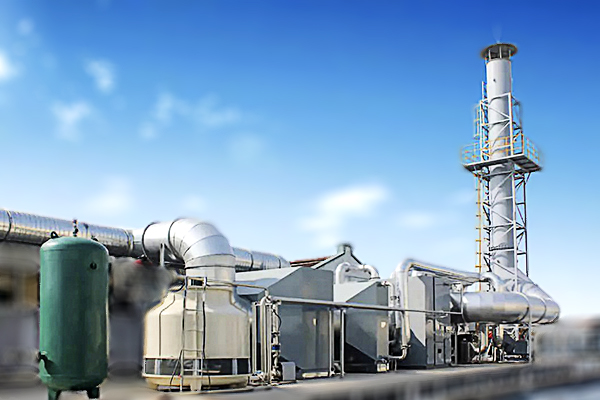
To mitigate these issues, regular inspection and analysis are crucial. Zhengzhou Puhua Technology offers diagnostic services for RCO equipment, helping clients identify specific deactivation causes and recommend targeted actions based on their operational context.
Effective Solutions for Restoring Catalyst Efficiency
Addressing catalyst efficiency decline requires a systematic approach. Here are proven methods to handle deactivation, presented in an ordered list for clarity.
Implement Regular Cleaning Procedures: For fouling or masking, offline cleaning using methods like gentle air blowing or vacuuming can remove surface deposits. In cases of light poisoning, chemical washing may be applied, but it requires expert guidance to avoid damage.
Optimize Operating Conditions: Ensure the RCO system operates within the recommended temperature range and with proper gas composition. Installing advanced control systems can help maintain stability and prevent thermal degradation.
Use Pre-treatment Systems: Incorporate filters, scrubbers, or absorbers upstream to remove impurities before they reach the catalyst. This proactive measure extends catalyst life and enhances overall RCO equipment maintenance.
Consider Catalyst Regeneration or Replacement: For severely deactivated catalysts, regeneration techniques like thermal treatment or chemical restoration may restore activity. If irreversible, replacement with high-quality catalysts is necessary. Zhengzhou Puhua Technology provides reliable catalyst regeneration services and durable replacement options for RCO systems.

Additionally, the table below summarizes common issues and corresponding solutions for quick reference.
| Issue Type | Recommended Solution | Expected Outcome |
|---|---|---|
| Poisoning by impurities | Install pre-treatment and use resistant catalysts | Reduced deactivation rate |
| Thermal degradation | Monitor temperature and upgrade controls | Extended catalyst lifespan |
| Fouling and masking | Regular cleaning and improve filtration | Restored catalytic activity |
| Mechanical wear | Inspect and reinforce catalyst support | Enhanced durability |
Proactive Maintenance Strategies for RCO Equipment
To prevent catalyst efficiency decline, adopting a proactive maintenance plan is essential. This involves scheduling routine checks, performance testing, and data analysis. Key steps include measuring pressure drops, analyzing outlet emissions, and inspecting catalyst beds for visual signs of wear. By integrating these practices, plants can minimize downtime and operational costs. Zhengzhou Puhua Technology supports clients with comprehensive maintenance programs for RCO catalytic combustion devices, offering technical expertise and customized solutions to ensure peak efficiency.
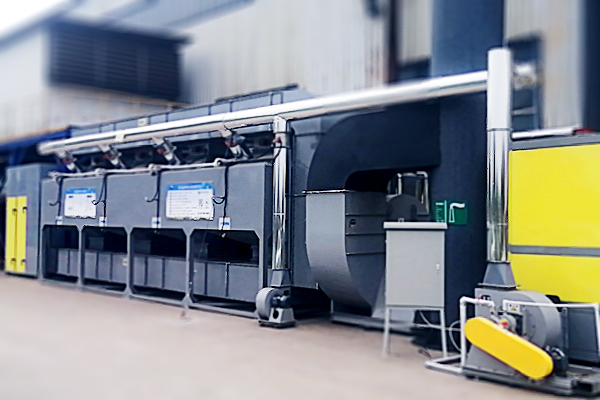
Furthermore, investing in high-quality catalysts from trusted suppliers like Zhengzhou Puhua Technology can provide better resistance to deactivation. Their RCO equipment is designed with robust materials and engineering insights, catering to diverse industrial applications from VOCs Treatment Equipment to dust removal systems.
Conclusion: Ensuring Long-Term Catalyst Performance
Catalyst efficiency decline in RCO equipment is a manageable challenge when understood and addressed systematically. By identifying causes such as poisoning, thermal stress, or fouling, and implementing solutions like cleaning, optimization, or regeneration, industries can maintain compliance and reduce costs. Emphasizing regular maintenance and partnering with reliable providers like Zhengzhou Puhua Technology—a specialist in Environmental Protection Equipment Manufacturing including Regenerative Catalytic Oxidation Equipment andDenitrification Equipment —ensures sustainable operation. For more insights on RCO catalyst efficiency and equipment care, stay tuned to our technical updates and case studies.
Related Articles
-

Zeolite Fixed Bed+Catalytic Combustion Equipment (RCO)
[list:visits]
-

Resin desorption+condensation recovery equipment
[list:visits]
-

Cooking oil fume purifier
[list:visits]
Subscribe to Our Newsletter
Stay updated with the latest news and insights from Puhua Tech.