
Bag Filter Air Leakage Rate: Industry Standards and Testing Methods
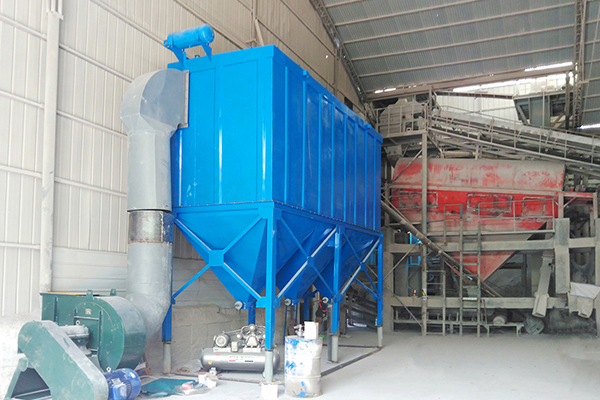
For plant managers and environmental engineers, maintaining optimal bag filter performance is critical. Among various performance indicators, the air leakage rate is a key metric that directly impacts system efficiency, operational costs, and compliance. Excessive leakage can sabotage dust collection efficiency, increase energy consumption, and lead to non-compliance with environmental regulations. This comprehensive guide delves into the industry standards for bag filter leakage, outlines precise testing methodologies, and explores practical solutions for ensuring system integrity.
Why Controlling Bag Filter Leakage is Non-Negotiable
Air leakage refers to the unintended ingress of ambient air into the negative-pressure sections of a bag filter system. It is not merely a minor inefficiency; it is a source of significant operational and financial drawbacks. The consequences of high leakage rates are multifaceted:
Reduced Collection Efficiency: Incoming air cools the flue gas, potentially causing moisture condensation. This can lead to bag blinding, hopper clogging, and increased pressure drop.
Skyrocketing Energy Costs:The induced draft fan must work harder to overcome the increased system volume caused by false air, leading to a substantial and unnecessary rise in power consumption.
Corrosion and Equipment Damage: Moisture from leaked air can combine with pollutants to form corrosive compounds, attacking the filter housing, bags, and other internal components.
Compliance Risks: Leakage dilutes the flue gas, which can interfere with accurate emissions monitoring and reporting, posing a risk of regulatory non-compliance.
Industry Standards and Acceptable Leakage Rate Limits
Adherence to established standards is fundamental for procurement, commissioning, and performance evaluation. Various national and industry-specific standards define the acceptable limits for bag filter leakage rates, which typically vary based on the application and design.
Key Standards Reference: The Chinese mechanical industry standard JB/T 8533-2010 for rotary blow bag filters specifies requirements for outlet dust concentration, filtering velocity, and importantly, air leakage rate.
General industry expectations for leakage rates are stringent. High-quality bag filters are often designed to achieve a leakage rate of less than 2%. In demanding applications, such as large boiler systems, the required leakage rate can be even lower, with performance guarantees sometimes as strict as ≤1%. For specialized applications like pharmaceutical pulse-jet bag filters, the common requirement is ≤3%.
| Application/Standard | Typical Leakage Rate Requirement | Key Influencing Factors |
|---|---|---|
| Power Plant Boilers (e.g., 150-ton) | ≤1% - 2% | High operating hours, strict emission limits, large system size. |
| General Industrial & Mechanical Standards | ≤2% | Balance between performance and cost, general dust control. |
| Pharmaceutical/Pulse-Jet Filters | ≤3% | GMP cleanroom standards, product safety, cross-contamination prevention. |
| Large Mining & Mineral Processing | ≤3% | High altitude conditions, large filter house structures, abrasive dust. |
Professional Testing Methods for Air Leakage Rate
Accurately determining the leakage rate requires systematic testing following recognized protocols. The core principle involves comparing a measurable property of the gas stream at the inlet and outlet of the filter. The most common and reliable methods are outlined below.
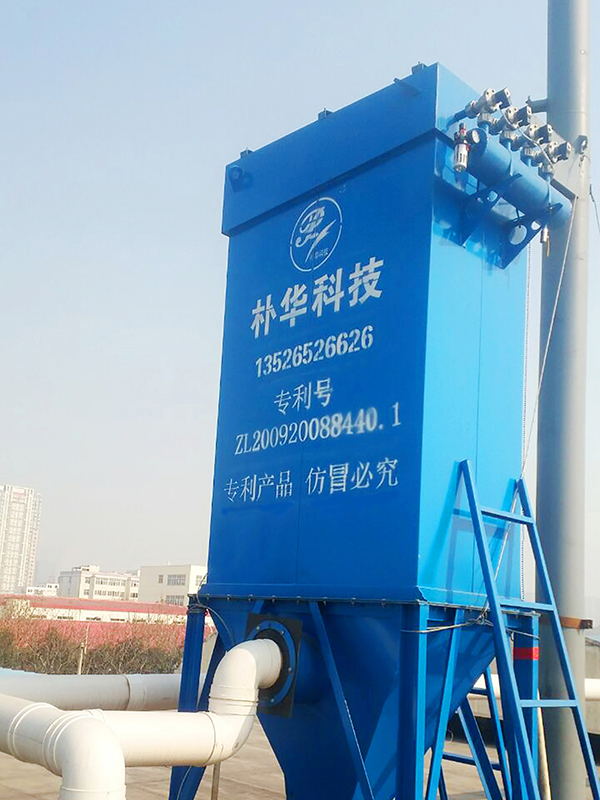
1. Oxygen Balance Method (O₂ Analysis)
This is the most widely used method due to its reliability and relative simplicity. It is based on the principle that ambient air (with ~20.95% O₂) leaking into the system will increase the oxygen content of the flue gas.
Measurement: Use calibrated, certified portable gas analyzers to simultaneously measure the oxygen concentration (O₂) at the filter's inlet and outlet ducts under stable operating conditions.
Calculation: The leakage rate (α) is calculated using the standard formula: α = (O₂_out - O₂_in) / (20.95 - O₂_out) × 100% Where O₂ values are expressed as a percentage.
2. Airflow Balance Method
This method directly measures the volumetric airflow, but it can be less accurate due to the difficulty of obtaining precise velocity measurements in large, often non-uniform ducts.
Procedure: Measure the volumetric flow rate at the inlet (Q_in) and outlet (Q_out) of the bag filter using pitot tubes, anemometers, or other flow measurement devices.
Calculation: Leakage Rate = [(Q_out - Q_in) / Q_in] × 100%.
3. Thermal Balance Method
Suitable for systems with a significant temperature difference between the flue gas and ambient air, this method performs an energy balance but is complex and less common for routine testing.
Key Areas for Leakage Inspection and Prevention
Effective leakage control starts with proactive inspection and robust design. Critical points where leaks commonly occur include:
Access & Inspection Doors: Poorly designed or worn seals on manways and hopper doors are primary culprits.
Shell Welds & Joints: Inadequate weld penetration, pinholes, or cracks in the filter housing.
Diaphragm Valve Seals: Worn or damaged seals on pulse-jet valves.
Bag-to-Tube Sheet Seals: Improper installation, damaged gaskets, or failed tensioning systems for bag cages.
Flange Connections: Loose bolts or degraded gaskets on inlet/outlet ducting.
A commitment to sealing integrity is paramount. This involves using high-quality sealing materials, mandating full-penetration welds with post-weld leak testing, and designing easy-to-maintain yet robust sealing mechanisms for all doors and ports.
Partnering for Performance: Leakage Solutions from Zhengzhou Puhua Technology
Meeting stringent leakage rate standards requires expertise in design, manufacturing, and installation. This is where partnering with a specialized engineering firm like Zhengzhou Puhua Technology provides significant value. With extensive experience in designing and manufacturing dust control and air pollution control systems, they understand the critical details that ensure long-term sealing integrity.
Their approach to minimizing bag filter leakage encompasses:
Robust Structural Design: Designing filter housings with adequate stiffness to prevent deformation under negative pressure, incorporating reinforced frameworks as necessary.
Precision Manufacturing: Employing skilled welding techniques and implementing quality control procedures, such as seal testing on critical welds as stipulated in some industry standards, to ensure a leak-tight shell.
Superior Sealing Systems: Selecting and applying high-temperature, durable gasket materials and designing secure, multi-point latching systems for all access points.
Technical Support & Testing: Offering guidance on proper leakage rate testing protocols and providing solutions if leakage issues are identified during commissioning or operation.
Conclusion and Key Takeaways
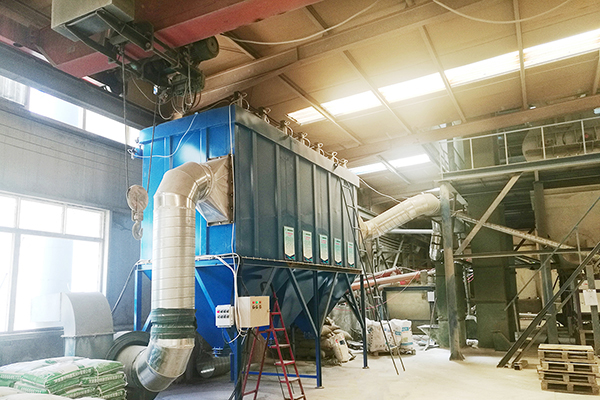
Controlling the air leakage rate of your bag filter is a critical component of operational excellence. A commitment to low leakage (consistently below 2-3%) delivers tangible benefits: sustained high collection efficiency, reduced energy bills, extended equipment life, and guaranteed regulatory compliance.
Achieving this requires a two-pronged strategy: first, a rigorous understanding and application of professional testing methods like the Oxygen Balance Method to establish a performance baseline; and second, a proactive maintenance and inspection regimen focused on known leakage points. For new systems or major upgrades, collaborating with an experienced engineering partner like Zhengzhou Puhua Technology can ensure that low-leakage design principles are embedded from the outset, protecting your productivity and your bottom line for the long term.
Related Articles
-

Zeolite Fixed Bed+Catalytic Combustion Equipment (RCO)
[list:visits]
-

Resin desorption+condensation recovery equipment
[list:visits]
-

Cooking oil fume purifier
[list:visits]
Subscribe to Our Newsletter
Stay updated with the latest news and insights from Puhua Tech.