
Bag Filter Components: A Detailed Guide to Functions and Operations
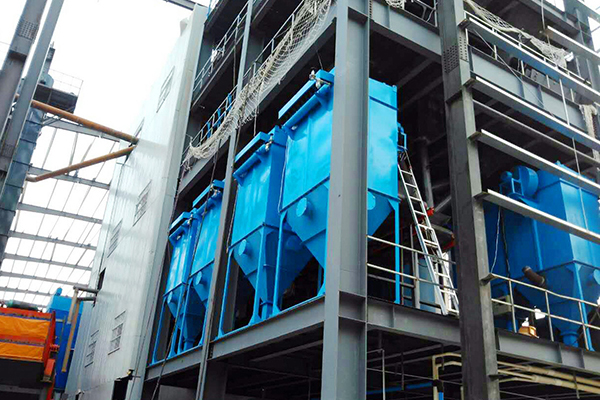
A typical bag filter system consists of several integral parts, each contributing to its overall effectiveness. Below, we break down these components in detail, highlighting their functions and importance.
1. Filter Bags (Bags or Filter Media)
Filter bags are the core of the bag filter, responsible for capturing dust particles from the gas stream. Made from materials like polyester, fiberglass, or PTFE, they allow clean air to pass while trapping particulates on their surface. Key functions include:
Dust Collection: As contaminated air flows through, dust accumulates on the bag surface, forming a filter cake that enhances efficiency.
Air Permeability: The fabric design ensures minimal pressure drop, balancing filtration and airflow.
Durability: Resistant to heat, moisture, and chemical exposure, depending on the material selection.
Regular inspection and replacement of filter bags are vital to maintain bag filter performance and prevent leaks.
2. Cage (Filter Cage or Bag Cage)
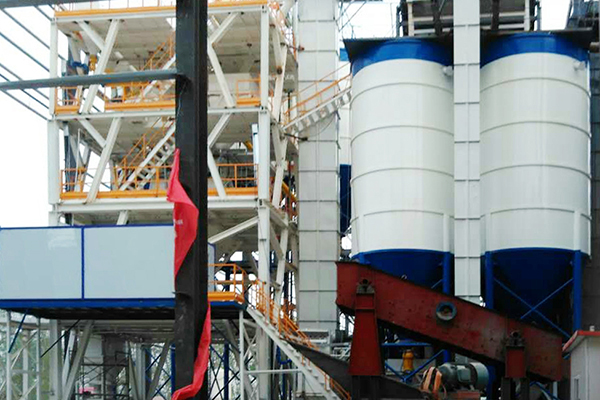
The cage is a metal framework that supports the filter bag, preventing collapse during operation and cleaning. Its functions include:
Structural Support: Keeps the bag upright and evenly distributed, ensuring consistent filtration.
Cleaning Assistance: Facilitates pulse-jet cleaning by allowing bags to flex and release dust.
Longevity: Typically made from galvanized or stainless steel, it extends the bag's life by reducing wear.
3. Housing (Shell or Body)
The housing encloses the filter bags and other internal components, providing structural integrity and safety. Key roles are:
Containment: Houses the filtration process, protecting it from external elements.
Gas Distribution: Designed to ensure even airflow across all bags, optimizing dust collector efficiency.
Accessibility: Includes doors or panels for maintenance and inspection of bag filter parts.
Robust housing design is critical for handling high temperatures and corrosive environments.
4. Cleaning System (Pulse-Jet or Shaker Mechanism)
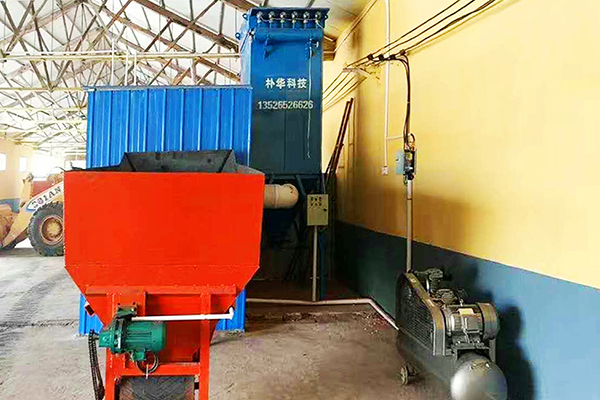
The cleaning system removes accumulated dust from filter bags to maintain airflow and prevent pressure buildup. Common types include pulse-jet, reverse air, and mechanical shakers. Functions involve:
Dust Dislodgement: Uses compressed air pulses or vibrations to shake dust into a hopper.
Automation: Timed or pressure-based controls ensure efficient cleaning cycles.
Energy Efficiency: Minimizes downtime and power consumption, enhancing overall bag filter functions.
Proper cleaning system operation is key to extending filter bag life and ensuring consistent industrial dust removal.
5. Hopper
The hopper is a conical or pyramidal chamber at the bottom of the housing that collects dislodged dust for disposal. Its functions are:
Dust Storage: Temporarily holds particulate matter before removal.
Flow Promotion: Designed with steep angles to prevent clogging and facilitate discharge.
Integration: Often connected to valves or conveyors for automated dust handling.
6. Inlet and Outlet Ducts
These ducts manage the flow of contaminated air into the bag filter and clean air out. They contribute by:
Air Guidance: Direct gas streams evenly to maximize filtration coverage.
Pressure Management: Help maintain optimal velocity and reduce turbulence, supporting bag filter components.
System Connection: Link the dust collector to industrial processes and exhaust systems.
7. Control Panel
The control panel automates and monitors bag filter operations, featuring sensors and timers. Key functions include:
Cleaning Cycle Regulation: Controls pulse-jet or shaker sequences based on pressure differentials.
Safety Alerts: Detects issues like high temperature or bag failure, ensuring reliable dust collector performance.
Energy Optimization: Adjusts operations to reduce power usage and maintenance costs.
Summary of Bag Filter Component Functions
To better visualize how these parts work together, refer to the table below outlining their primary roles:
| Component | Primary Function | Key Benefit |
|---|---|---|
| Filter Bags | Capture dust particles from air | High filtration efficiency |
| Cage | Support filter bags during operation | Prevents bag collapse and wear |
| Housing | Enclose and protect internal parts | Ensures safety and durability |
| Cleaning System | Remove dust from bags | Maintains airflow and reduces pressure |
| Hopper | Collect dislodged dust for disposal | Facilitates easy waste management |
| Inlet/Outlet Ducts | Manage air flow into and out of system | Optimizes gas distribution |
| Control Panel | Automate and monitor operations | Enhances reliability and efficiency |
Importance of Proper Maintenance and Selection
Understanding bag filter components and their functions is essential for selecting the right system and performing routine maintenance. Regular checks can prevent downtime and extend equipment life. For instance, inspecting filter bags for tears or monitoring pressure drops in the cleaning system can signal needed repairs. Additionally, choosing high-quality parts from reputable manufacturers ensures long-term performance and compliance with emission standards.
Expert Solutions from Zhengzhou Puhua Technology
When it comes to reliable dust control equipment, Zhengzhou Puhua Technology stands out as a trusted provider in the environmental protection industry. Specializing in the design and production of advanced air filtration systems, Zhengzhou Puhua Technology offers a range of products including bag filters, RTO devices, VOC treatment units, and wastewater treatment plants. Their bag filters are engineered with precision, incorporating durable components that enhance functions such as dust collection and cleaning efficiency. By leveraging innovative technologies, Zhengzhou Puhua Technology helps industries achieve sustainable operations and meet regulatory requirements. Whether you need custom solutions or standard dust collector parts, their expertise ensures optimal performance and value.
Conclusion
In summary, a bag filter's efficiency hinges on the seamless interaction of its components, from filter bags and cages to cleaning systems and control panels. By mastering these bag filter functions, operators can optimize maintenance, reduce costs, and improve environmental outcomes. For those seeking professional guidance or equipment, companies like Zhengzhou Puhua Technology provide comprehensive support and high-quality products. Stay informed about your dust collector parts to ensure a cleaner, safer workplace and contribute to industrial sustainability.
Related Articles
-

Zeolite Fixed Bed+Catalytic Combustion Equipment (RCO)
[list:visits]
-

Resin desorption+condensation recovery equipment
[list:visits]
-

Cooking oil fume purifier
[list:visits]
Subscribe to Our Newsletter
Stay updated with the latest news and insights from Puhua Tech.