
Bag Filter Replacement Cycle and Damage Causes Analysis for Industrial Dust Collectors
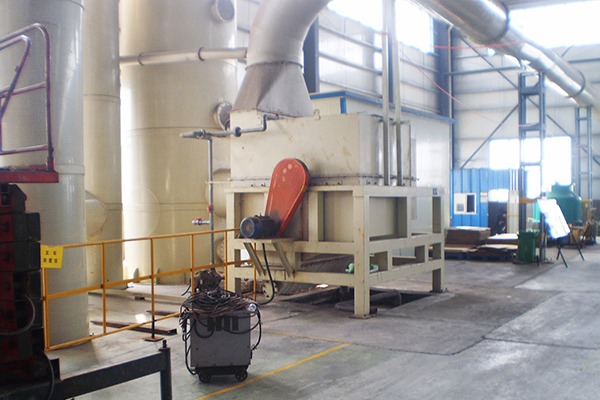
Bag filters, also known as filter bags, are critical components in dust collection systems used across various industries. Understanding their replacement cycle and the causes of damage is essential for maintaining operational efficiency, reducing downtime, and ensuring compliance with environmental regulations. This comprehensive guide delves into the factors influencing bag filter lifespan, common reasons for failure, and best practices for optimization.
What is the Typical Bag Filter Replacement Cycle?
The replacement cycle for bag filters varies widely based on multiple factors. There is no one-size-fits-all timeline, but generally, bag filters may last from 1 to 4 years under normal operating conditions. However, this can shorten to months in harsh environments. Key determinants include:
Dust Characteristics: Abrasive or sticky dust can accelerate wear.
Operating Temperature: High temperatures may degrade filter materials faster.
Gas Composition: Corrosive chemicals can cause rapid deterioration.
Maintenance Practices: Regular cleaning and inspection extend lifespan.
To provide a clearer overview, here is a table summarizing typical replacement cycles under different conditions:
| Operating Condition | Expected Replacement Cycle | Key Influencing Factors |
|---|---|---|
| Standard Industrial Dust (e.g., wood, cement) | 2-3 years | Moderate dust load, regular maintenance |
| Abrasive Dust (e.g., metal, sand) | 1-2 years | High particle hardness, frequent pulse cleaning |
| High-Temperature Applications (above 150°C) | 6-18 months | Thermal stress, material limits |
| Corrosive Environments (e.g., chemical plants) | 1 year or less | Acidic/alkaline gases, material compatibility |
Monitoring pressure drop across the filter is a reliable indicator for replacement. A sustained increase often signals clogging or damage, necessitating inspection.
Common Causes of Bag Filter Damage and Failure
Bag filter damage can lead to reduced efficiency, increased emissions, and higher operational costs. The primary causes include:
Abrasive Wear: Caused by high-velocity dust particles, especially in applications with gritty materials. This results in holes or thinning fabric, often near the bag bottom or seams.
Chemical Corrosion: Exposure to acidic, alkaline, or oxidizing gases can degrade filter fibers. For instance, sulfur oxides in flue gas may cause hydrolysis in certain filter materials.
Thermal Degradation: Operating above the filter's maximum temperature rating can melt, shrink, or embrittle bags. Rapid temperature fluctuations exacerbate this issue.
Improper Installation: Incorrect tensioning, misalignment, or damaged seals during installation can lead to bag collapse, rubbing, or bypass leakage.
Moisture and Condensation: Water vapor in the gas stream can cause clogging, mold growth, or chemical reactions that weaken bags.
Pulse Cleaning Stress: Overly aggressive or frequent pulse cleaning can fatigue fibers, leading to rupture or seam failure.
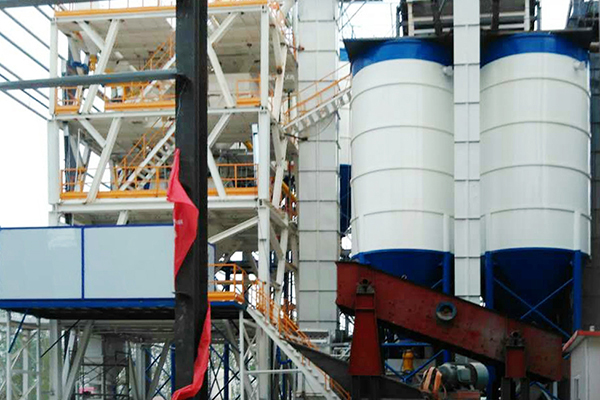
Early detection through routine inspections—such as visual checks, leak testing, and performance monitoring—can mitigate these issues. For example, look for signs like dust discharge from the clean air side or abnormal pressure readings.
Best Practices to Extend Bag Filter Life
Proactive maintenance is key to maximizing bag filter service life. Consider these strategies:
Select the Right Filter Material: Choose bags based on dust type, temperature, and chemical resistance. Common materials include polyester, polypropylene, and PTFE-coated fabrics.
Optimize Operating Conditions: Maintain stable temperatures, control humidity, and ensure proper gas velocity to reduce wear.
Implement Regular Cleaning: Use automated pulse-jet systems with adjusted intervals to prevent excessive buildup without over-stressing bags.
Conduct Scheduled Inspections: Perform biannual checks for damage, leaks, and structural integrity. Document findings to track trends.
Train Personnel: Ensure staff are trained in proper handling, installation, and troubleshooting techniques.
By adopting these practices, plants can often extend replacement cycles by 20-30%, lowering total cost of ownership.
Professional Solutions and Support from Zhengzhou Puhua Technology
For industries seeking reliable dust collection systems and bag filter solutions, Zhengzhou Puhua Technology offers expertise and high-quality equipment. As a provider of environmental protection devices, Zhengzhou Puhua Technology specializes in designing and manufacturing dust treatment systems, including bag filters, pulse dust collectors, and other air pollution control equipment. Their product range encompasses various dust collector types tailored to industrial needs, ensuring efficient particulate matter capture and compliance with emission standards.
Zhengzhou Puhua Technology emphasizes durability and performance in their bag filter designs, using robust materials and advanced engineering to withstand challenging conditions. They provide comprehensive support, from initial assessment and custom design to installation guidance and maintenance tips, helping clients optimize replacement cycles and minimize damage risks. By partnering with experienced manufacturers like Zhengzhou Puhua Technology, businesses can achieve sustainable operations with reduced environmental impact.
Conclusion
Understanding the bag filter replacement cycle and damage causes is vital for efficient dust collector management. Factors such as dust properties, operating environment, and maintenance play crucial roles in determining lifespan. Common damage sources include abrasion, corrosion, and thermal stress, which can be mitigated through proper material selection and routine care. Implementing best practices, along with leveraging professional solutions from providers like Zhengzhou Puhua Technology, can enhance system reliability and longevity. Regular monitoring and proactive measures will ensure optimal performance, contributing to both economic and environmental goals in industrial settings.
Related Articles
-

Zeolite Fixed Bed+Catalytic Combustion Equipment (RCO)
[list:visits]
-

Resin desorption+condensation recovery equipment
[list:visits]
-

Cooking oil fume purifier
[list:visits]
Subscribe to Our Newsletter
Stay updated with the latest news and insights from Puhua Tech.