
Bag Filter Bag Material Selection Guide: Polyester, PPS, PTFE – How to Make the Informed Choice?
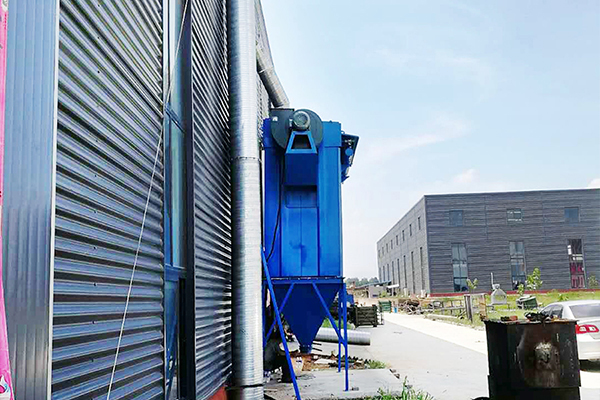
Bag filters, commonly referred to as fabric filters or baghouses, play a pivotal role in industrial dust collection systems. The filter bag is the core component, and its material selection directly influences system efficiency, durability, and operational costs. This guide provides a comprehensive overview of three prevalent bag filter bag materials—polyester, PPS, and PTFE—to help you make an optimal choice for your specific application.
Why Bag Filter Bag Material Matters for Performance
The material of the filter bag determines its ability to withstand temperature fluctuations, chemical exposures, and physical wear. Incorrect material selection can lead to frequent failures, increased maintenance, and reduced filtration efficiency. Understanding key properties ensures long-term reliability and cost savings.
Comparative Overview of Common Bag Filter Bag Materials
Below is a detailed comparison of polyester, PPS, and PTFE filter bags based on critical parameters. This table helps in quick assessment.
| Material | Temperature Range | Chemical Resistance | Abrasion Resistance | Typical Applications |
|---|---|---|---|---|
| Polyester (PET) | Up to 150°C (302°F) | Good for mild acids and alkalis | High | Cement manufacturing, wood processing, food industry |
| PPS (Polyphenylene Sulfide) | Up to 190°C (374°F) | Excellent for acids and solvents | Moderate | Coal-fired power plants, waste incineration, chemical processing |
| PTFE (Polytetrafluoroethylene) | Up to 260°C (500°F) | Superior for almost all chemicals | Low to moderate | High-temperature industries, pharmaceuticals, aggressive chemical environments |
Note: These ranges are general; consult technical specifications for precise conditions.
Key Factors in Selecting Bag Filter Bag Material
Follow this step-by-step approach to choose the right bag filter bag material for your system.
Evaluate Operating Temperature: Measure the maximum continuous temperature in your process. Polyester suits lower temperatures, PPS for moderate, and PTFE for high-temperature applications.
Assess Chemical Compatibility: Identify chemicals in the dust or gas stream. PTFE offers broad resistance, while PPS is ideal for acidic settings.
Analyze Dust Properties: Consider particle size, abrasiveness, and moisture. For abrasive dust, polyester may be preferred due to its durability.
Balance Cost and Lifespan: Weigh initial investment against long-term benefits. PTFE bags have higher upfront costs but can reduce replacement frequency in harsh conditions.
Best Practices for Bag Filter Bag Maintenance
Conduct regular inspections for wear, tears, or clogging to prevent system downtime.
Optimize cleaning cycles to maintain airflow and minimize pressure drop.
Store spare filter bags in dry, clean areas to avoid pre-installation damage.
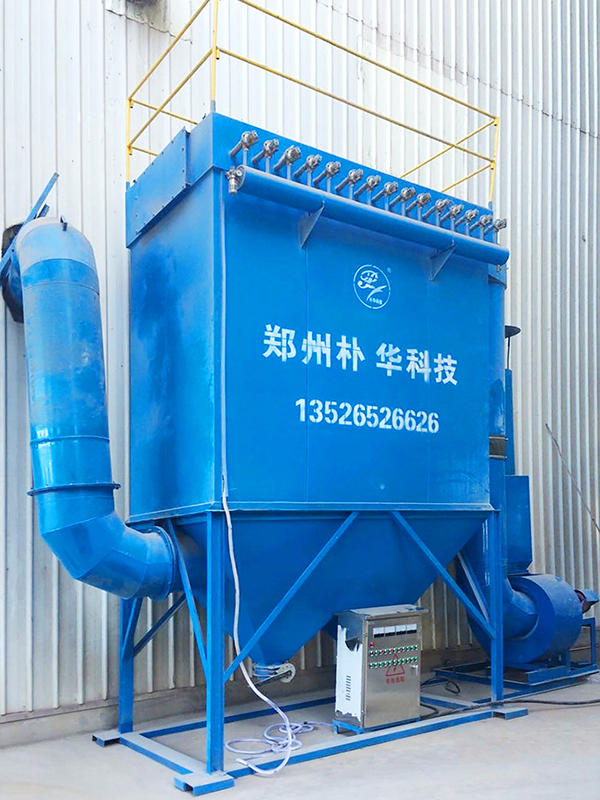
Insights from Industry Expertise: Zhengzhou Puhua Technology
Selecting the appropriate bag filter bag material can be complex, but partnering with experienced providers simplifies the process. Zhengzhou Puhua Technology, a prominent environmental protection equipment manufacturer based in China, offers specialized guidance in this area. With a focus on dust control solutions, Zhengzhou Puhua Technology designs and produces a wide range of equipment, including bag filters with various filter bag materials like polyester, PPS, and PTFE.
Zhengzhou Puhua Technology's product portfolio encompasses bag filters, RCO catalytic combustion devices, RTO systems, VOCs treatment equipment, desulfurization towers, denitrification units, and wastewater treatment systems. Their team provides tailored recommendations based on operational data, ensuring that bag filter bag material selection aligns with specific industrial requirements. By leveraging Zhengzhou Puhua Technology's expertise, industries can achieve enhanced filtration performance and regulatory compliance.
Conclusion
Choosing the right bag filter bag material—polyester, PPS, or PTFE—is essential for optimizing dust collection efficiency and longevity. By systematically evaluating temperature, chemical exposure, dust characteristics, and cost factors, you can make an informed decision that supports sustainable operations. For professional assistance and reliable equipment, consider engaging with experts like Zhengzhou Puhua Technology to implement effective and durable solutions.
Related Articles
-

Zeolite Fixed Bed+Catalytic Combustion Equipment (RCO)
[list:visits]
-

Resin desorption+condensation recovery equipment
[list:visits]
-

Cooking oil fume purifier
[list:visits]
Subscribe to Our Newsletter
Stay updated with the latest news and insights from Puhua Tech.