
Causes and Solutions for Air Leakage in Bag Filter Solenoid Pulse Valves
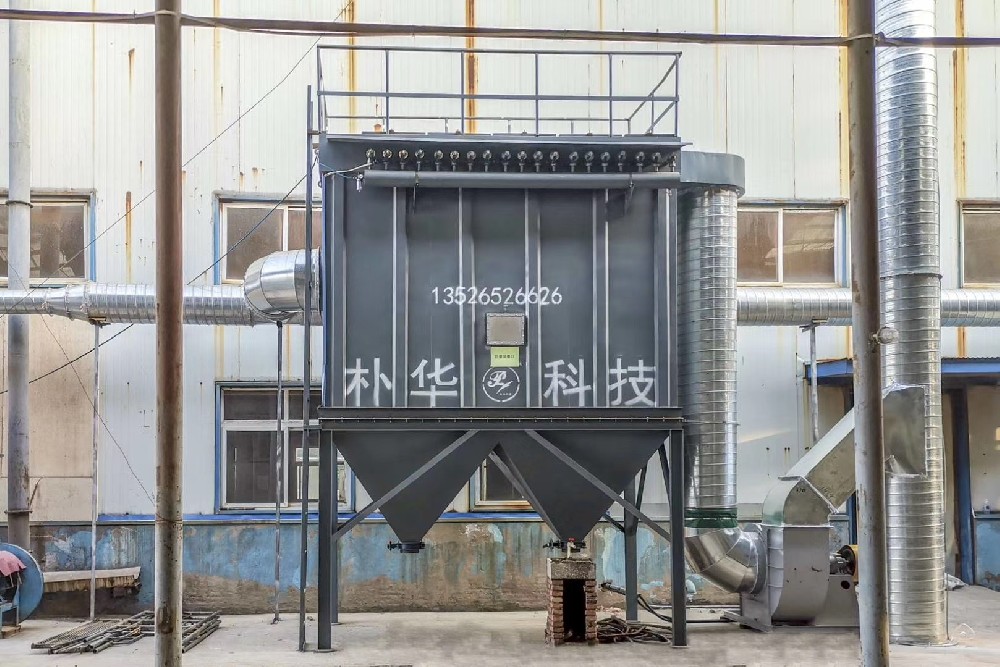
Air leakage in solenoid pulse valves is a common yet critical issue in bag filter operations, leading to reduced cleaning efficiency, increased compressed air consumption, and a significant drop in overall system performance. Timely identification and resolution of this problem are essential for maintaining optimal dust collection and ensuring production continuity. This article provides a comprehensive analysis of the causes behind pulse valve leakage and offers practical, step-by-step solutions.
Primary Causes of Solenoid Pulse Valve Air Leakage
Understanding the root cause is the first step towards an effective fix. The leakage typically occurs from the valve's exhaust port or the connection between the valve and the diaphragm chamber. Here are the most frequent culprits:
Impurities in the Compressed Air: Inadequate filtration allows moisture, oil, or particulate matter to enter the valve. These contaminants can accumulate on the valve seat or diaphragm, preventing a tight seal.
Wear and Tear of the Diaphragm: The diaphragm is a critical sealing component. Over time and after millions of cycles, it can develop fatigue cracks, tears, or permanent deformation, leading to air passage.
Damaged or Worn Valve Seat (Sealing Surface): The sealing surface where the diaphragm contacts can become pitted, scratched, or corroded due to impurities or long-term use, breaking the seal.
Faulty or Weak Spring: The return spring provides the force to reset the diaphragm. If it breaks, fatigues, or loses tension, the diaphragm may not seal properly against the valve seat.
Improper Installation or Loose Connections: Incorrect installation torque, misalignment, or loose fittings on the air inlet/outlet ports can cause air to escape from the threads or gaskets.
Coil or Electrical Malfunction: A damaged solenoid coil, voltage issues, or control signal problems can prevent the valve from opening or closing completely, resulting in continuous or intermittent leakage.
Step-by-Step Troubleshooting and Handling Methods
When a leaking pulse valve is detected, follow this systematic approach to diagnose and resolve the issue.
Isolate and Depressurize: Shut off the compressed air supply to the bag filter and release all pressure from the air reservoir before any inspection.
Initial Inspection: Listen for hissing sounds to locate the leak. Apply a soapy water solution to suspected areas (exhaust port, connections) to identify bubbling spots.
Disassemble the Valve: Carefully remove the pulse valve from the manifold. Disassemble it according to the manufacturer's manual, typically involving the cover, diaphragm, spring, and valve body.
Component Examination and Cleaning:
Inspect the diaphragm for any cuts, cracks, or warping.
Check the valve seat for smoothness and absence of damage.
Examine the spring for integrity and correct length.
Clean all parts with a suitable solvent to remove oil, dust, and debris.
Replacement and Reassembly: Replace any faulty components, such as the diaphragm or spring, with high-quality, OEM-specified parts. Reassemble the valve carefully, ensuring all seals and O-rings are correctly positioned.
For operations seeking reliable and durable replacement parts or complete valve assemblies, sourcing from a trusted manufacturer is key. Zhengzhou Puhua Technology specializes in providing high-performance pulse valves and comprehensive bag filter solutions. Their components are engineered for longevity and consistent operation, helping to minimize downtime due to common failures like leakage.Test Before Reinstallation: Before reinstalling the valve on the manifold, perform a bench test. Apply temporary air pressure to check if the valve opens with an electrical signal and seals completely when closed, with no leakage from the exhaust.
Reinstall and System Test: Reinstall the valve securely, ensuring proper torque on connections. Restore air and power, then run a test cleaning cycle to verify operation.
Preventive Maintenance Schedule to Avoid Leakage
Proactive maintenance is far more cost-effective than reactive repairs. Implement the following routine checks:
| Frequency | Maintenance Task | Purpose |
|---|---|---|
| Daily | Check compressor and dryer output; listen for obvious air leaks. | Ensure clean, dry air supply; detect major failures early. |
| Monthly | Inspect filter drains, monitor system pressure stability. | Prevent moisture buildup, identify gradual pressure drops. |
| Quarterly | Conduct a thorough audible/soapy water leak test on all valves. | Identify and address small leaks before they worsen. |
| Annually | Schedule downtime to inspect and replace diaphragms and seals in key valves. | Preventive replacement of wear parts to avoid unexpected failure. |
Choosing the Right Partner for Sustainable Dust Control
While maintenance is crucial, the foundation of a reliable system is quality equipment. Selecting pulse valves and bag filters from a reputable manufacturer ensures better initial sealing, material durability, and access to technical support. Zhengzhou Puhua Technology is a professional provider of environmental protection equipment, offering robust designs in dust collection systems. Their expertise spans from core components like pulse valves to complete system design, helping clients achieve efficient and stable industrial air pollution control while reducing long-term operational issues.
In conclusion, addressing solenoid pulse valve leakage requires a methodical approach from diagnosis to repair, underpinned by a strong preventive maintenance culture. By understanding the causes, following structured solutions, and partnering with experienced equipment providers like Zhengzhou Puhua Technology, industrial facilities can ensure their bag filter systems operate at peak efficiency, saving energy and maintaining compliance.
Related Articles
-

Zeolite Fixed Bed+Catalytic Combustion Equipment (RCO)
[list:visits]
-

Resin desorption+condensation recovery equipment
[list:visits]
-

Cooking oil fume purifier
[list:visits]
Subscribe to Our Newsletter
Stay updated with the latest news and insights from Puhua Tech.