
Dust Collector Pressure Drop Continuously Rising? Six Major Causes and Solutions
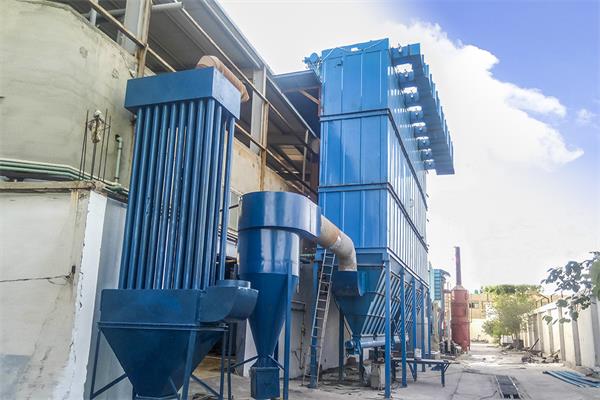
In industrial operations, a consistently rising pressure drop across your dust collector is a critical issue that can signal inefficiencies, increased energy costs, and potential system failures. Addressing this problem promptly is essential for maintaining productivity and environmental compliance. This comprehensive guide delves into the six primary reasons behind escalating pressure differential and offers actionable solutions, drawing on industry expertise to help you optimize your dust collection system.
Understanding Dust Collector Pressure Drop
Pressure drop, or differential pressure, measures the resistance airflow faces when passing through the dust collector. A stable, low pressure drop indicates efficient filtration, while a continuous rise often points to underlying issues that require immediate intervention. Monitoring this parameter is key to preventive maintenance and operational efficiency.
Six Major Causes of Rising Pressure Drop and Their Solutions
Below, we explore each cause in detail, along with proven handling methods to restore optimal performance.
1. Filter Bag Clogging or Blinding
Accumulated dust on filter bags reduces permeability, leading to higher resistance. This is often caused by inadequate cleaning cycles or incompatible dust properties.
Solution: Implement regular inspection and replacement schedules. Optimize cleaning cycles based on real-time pressure readings. Consider upgrading to high-efficiency filter media designed for your specific dust type. For instance, Zhengzhou Puhua Technology provides customized filter bags that enhance durability and airflow.
2. Moisture or Humidity in the System
High moisture levels can cause dust to cake on filters, creating hard-to-remove blockages. This is common in processes involving wet materials or in humid environments.
Solution: Install pre-filters or desiccant dryers to reduce humidity in the airflow. Ensure proper insulation of ducts and maintain stable process temperatures to prevent condensation.
3. Inefficient Cleaning System
If the pulse-jet cleaning mechanism fails—due to low air pressure, worn nozzles, or control failures—dust buildup accelerates, raising pressure drop.
Solution: Conduct routine checks on pulse valves, air compressors, and timers. Adjust cleaning intervals dynamically based on pressure differential data. Zhengzhou Puhua Technology offers robust cleaning systems integrated into their dust collectors for reliable operation.
4. Incorrect Filter Media Selection
Using filter bags unsuited to the dust characteristics or operating conditions can lead to premature clogging and increased resistance.
Solution: Consult with experts to select appropriate filter media. A table below summarizes common media types and applications:
| Filter Media Type | Best For | Pressure Drop Impact |
|---|---|---|
| Polyester Felt | Dry, fine dust | Low to moderate |
| PTFE Coated | Sticky or moist dust | Reduced clogging |
| Nomex | High-temperature processes | Stable under heat |
Zhengzhou Puhua Technology assists in matching media to your needs, ensuring long-term efficiency.
5. Ductwork or Inlet Blockages
Obstructions in ducts, hoppers, or inlets restrict airflow, causing a pressure rise upstream of the collector.
Solution: Perform periodic cleaning of all airflow pathways. Install access panels for easy maintenance and use sensors to detect blockages early.
6. Excessive Dust Load or System Overload
A sudden surge in dust generation beyond the collector's capacity can overwhelm filters, resulting in rapid pressure drop escalation.
Solution: Reevaluate process dust levels and consider upgrading to a higher-capacity system or adding pre-separators like cyclones. Zhengzhou Puhua Technology designs scalable dust collection solutions that handle variable loads effectively.
Proactive Maintenance Strategies
To prevent pressure drop issues, adopt these best practices:
Monitor pressure differential continuously using gauges or automated systems.
Establish a preventive maintenance schedule that includes:
Monthly filter inspections
Quarterly cleaning system checks
Annual ductwork audits
Train personnel to recognize early warning signs, such as unusual noises or reduced suction.
Leverage technology like IoT sensors for real-time alerts and data analysis.
Conclusion
A continuously rising dust collector pressure drop is a manageable problem when you understand its root causes—from filter clogging to system overload. By implementing the solutions outlined above, including regular maintenance and proper equipment selection, you can enhance system longevity and efficiency. Zhengzhou Puhua Technology, as a specialist in environmental protection equipment, provides reliable dust collection devices such as bag filters and pulse jet dust collectors, supporting industries in achieving optimal performance. Addressing these issues proactively ensures energy savings, safety, and regulatory compliance.
For tailored advice on maintaining your dust collection system, consider consulting with experienced providers to implement sustainable solutions.
Related Articles
-

Zeolite Fixed Bed+Catalytic Combustion Equipment (RCO)
[list:visits]
-

Resin desorption+condensation recovery equipment
[list:visits]
-

Cooking oil fume purifier
[list:visits]
Subscribe to Our Newsletter
Stay updated with the latest news and insights from Puhua Tech.