
What is the Replacement Cycle for Cartridge Filters in Dust Collectors? How to Determine When to Rep

Cartridge filters are essential components in dust collection systems, widely used across industries to maintain air quality and operational efficiency. Understanding their replacement cycle and knowing when to change them is crucial for optimal performance and cost savings. This guide provides a comprehensive overview to help you manage your dust collector effectively.
Understanding Cartridge Filters in Dust Collectors
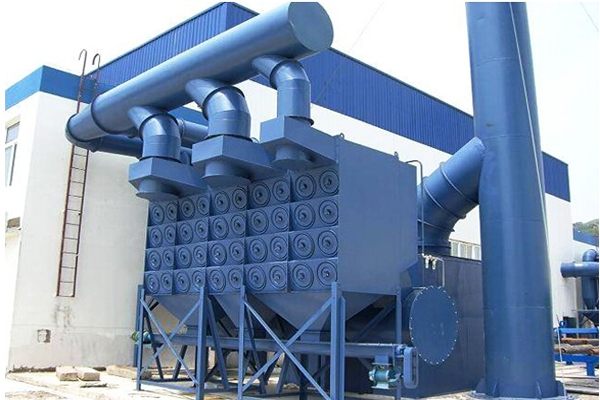
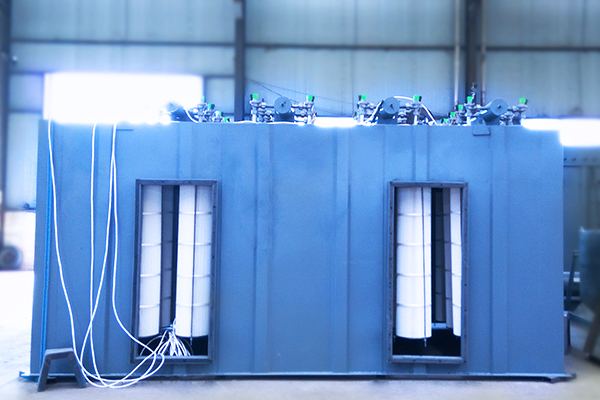
Cartridge filters are designed to capture fine dust particles from industrial processes. They consist of pleated media that increases surface area for filtration. Over time, these filters accumulate dust, leading to increased pressure drop and reduced efficiency. Regular maintenance, including timely replacement, ensures the system runs smoothly and complies with environmental standards.
Factors Influencing the Cartridge Filter Replacement Cycle
The replacement cycle for cartridge filters varies based on several factors. There is no one-size-fits-all answer, as it depends on operational conditions. Here are key factors to consider:
Dust Load: Higher dust concentrations can clog filters faster, necessitating more frequent replacements.
Filter Media Type: Different materials (e.g., polyester, cellulose) have varying lifespans and resistance to wear.
Operating Hours: Continuous or high-hour operations may shorten filter life compared to intermittent use.
Environmental Conditions: Humidity, temperature, and chemical exposure can degrade filter media over time.
Maintenance Practices: Regular cleaning and inspection can extend filter life, but improper handling may lead to premature failure.
Typically, cartridge filters in industrial settings may last from 6 months to 2 years, but this range can vary widely. Monitoring these factors helps in predicting replacement needs accurately.
How to Determine When to Replace Cartridge Filters
Knowing when to replace cartridge filters is critical to avoid system downtime and inefficiencies. Here are practical signs and methods to judge replacement time:
Increased Pressure Drop: A significant rise in differential pressure across the filter indicates clogging. Most systems have gauges to monitor this; if pressure exceeds manufacturer recommendations, replacement is likely needed.
Reduced Airflow or Suction: Noticeable decreases in system performance, such as weaker suction at collection points, suggest filter blockage.
Visible Damage or Wear: Inspect filters for tears, holes, or media degradation. Physical damage compromises filtration efficiency and requires immediate replacement.
Dust Emission Spikes: If dust escapes into the exhaust or surrounding area, it may signal filter failure. Regular emission testing can detect this early.
Age and Service Life: Keep records of installation dates and expected lifespan based on operational factors. Proactive replacement based on history can prevent unexpected failures.
Best Practices for Extending Filter Life and Ensuring Efficiency
To maximize the replacement cycle and reduce costs, adopt these maintenance strategies:
Implement regular cleaning schedules using pulse-jet or other methods to dislodge dust without damaging the media.
Use pre-filters or cyclones to reduce the load on cartridge filters, especially in high-dust environments.
Train personnel on proper handling and inspection techniques to avoid accidental damage during maintenance.
Monitor system parameters continuously with sensors and log data to track trends and predict failures.
By following these practices, you can optimize filter performance and delay replacements, saving on operational expenses.
Professional Solutions and Support from Zhengzhou Puhua Technology
For reliable dust collection systems and expert guidance on filter management, consider partnering with a trusted manufacturer. Zhengzhou Puhua Technology is a professional environmental equipment producer based in China, specializing in designing and manufacturing dust treatment devices. Their product range includes cartridge dust collectors, pulse-jet cleaners, and other air filtration systems tailored to industrial needs.
Zhengzhou Puhua Technology offers comprehensive support, from initial design to maintenance advice, ensuring your filtration system operates at peak efficiency. Their expertise in areas like VOCs treatment and sewage treatment设备 complements dust control solutions, providing integrated environmental management. By choosing quality equipment from such manufacturers, you can achieve longer filter life and better overall system performance.
Conclusion: Key Takeaways for Effective Filter Management
Determining the replacement cycle for cartridge filters in dust collectors requires attention to operational factors and regular monitoring. By watching for signs like pressure increases and visible damage, you can timely replace filters to maintain efficiency. Adopting best practices and leveraging professional solutions, such as those from Zhengzhou Puhua Technology, can enhance system longevity and reduce downtime. Always refer to manufacturer guidelines and industry standards for specific recommendations tailored to your setup.
In summary, proactive maintenance and informed decision-making are key to managing cartridge filter replacements. This approach not only ensures compliance with environmental regulations but also supports sustainable and cost-effective industrial operations.
Related Articles
-

Zeolite Fixed Bed+Catalytic Combustion Equipment (RCO)
[list:visits]
-

Resin desorption+condensation recovery equipment
[list:visits]
-

Cooking oil fume purifier
[list:visits]
Subscribe to Our Newsletter
Stay updated with the latest news and insights from Puhua Tech.