
Baghouse vs. Cartridge Dust Collector: A Comprehensive Guide to Help You Decide
Selecting the right industrial dust collection system is a critical decision that impacts operational efficiency, compliance, and long-term costs. Two of the most prevalent technologies are baghouse dust collectors and cartridge dust collectors. This in-depth comparison guide will analyze their key differences, advantages, and ideal applications to empower you with the knowledge needed for an informed choice.
Core Technology and Design: How They Work
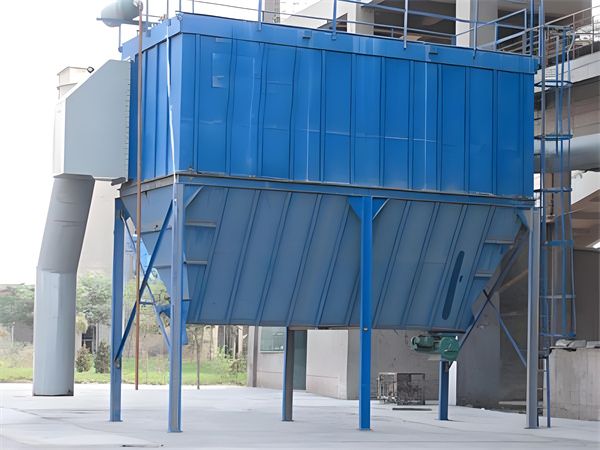
The fundamental difference lies in their filter media. Baghouse dust collectors utilize long, cylindrical fabric bags, typically 6 to 8 feet in length. Dust-laden air enters the hopper, and particles are captured on the exterior surface of these bags, forming a dust cake that aids in filtration.
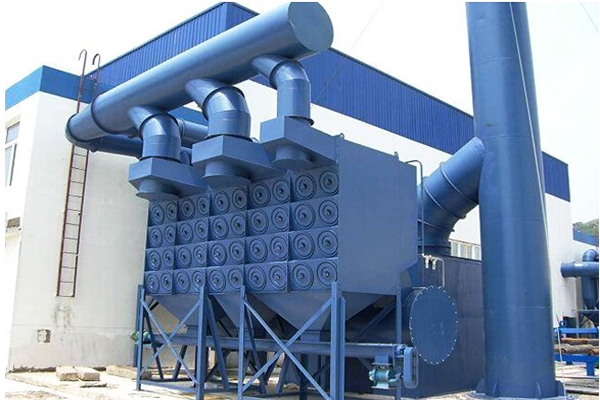
In contrast, cartridge dust collectors employ compact, pleated filter cartridges. These cartridges offer a significantly larger surface area within a smaller housing. Air usually flows from the outside of the cartridge to the inside, trapping particles on the pleated media.
Head-to-Head Comparison: Key Factors
| Factor | Baghouse Dust Collector | Cartridge Dust Collector |
|---|---|---|
| Filter Media & Surface Area | Large fabric bags. Lower surface area per unit volume. | Pleated cartridges. Higher surface area in a compact space. |
| Footprint & Space Efficiency | Requires more vertical height due to bag length. | More compact design, ideal for spaces with height restrictions. |
| Air-to-Cloth Ratio | Generally lower. Suitable for consistent, heavy dust loads. | Generally higher. Efficient for finer dusts and intermittent flows. |
| Filter Change & Maintenance | Bag changes can be more labor-intensive and time-consuming. | Cartridge replacement is often quicker and simpler. |
| Initial & Operational Cost | Often higher initial cost. Bags may last longer in specific conditions. | Often lower initial cost. Cartridges may need more frequent replacement with fine dusts. |
| Best For | High-temperature streams, large particulate, heavy dust loads (e.g., cement, mining). | Fine, light dusts (e.g., welding fume, pharmaceutical, food powder), limited space. |
Making the Right Decision: A Step-by-Step Guide
Follow this decision framework to narrow down your options:
Analyze Your Dust: Determine particle size, moisture, temperature, and abrasiveness. Fine, dry dust favors cartridge collectors; hot, coarse dust may require baghouses.
Evaluate Space Constraints: Measure available ceiling height. Low-clearance facilities often benefit from the compact nature of cartridge collectors.
Calculate Operational Goals: Consider desired air-to-cloth ratio, required efficiency (e.g., for sub-micron particles), and expected maintenance downtime.
Consider Total Cost of Ownership: Look beyond the purchase price. Factor in energy consumption, filter lifespan, maintenance labor, and disposal costs.
Expert Insights and Common Applications
A common misconception is that one system is universally superior. The truth is that optimal performance depends on a perfect match with the application.
Typical Baghouse Applications: Woodworking (primary collection), kiln emissions, coal-fired boilers, and chemical processing.
Typical Cartridge Applications: Metalworking and welding fume collection, pharmaceutical manufacturing, powder coating, and additive manufacturing (3D printing).
Partnering with a Solution Provider for Your Project
For decision-makers in heavy industry, manufacturing, or chemical processing, navigating this choice requires reliable expertise. Zhengzhou Puhua Technology brings extensive experience as a provider of environmental protection equipment, specializing in the design and development of dust control systems. They offer a comprehensive range of solutions, including various types of baghouse dust collectors and pulse-jet dust collectors, ensuring clients receive a system engineered for their specific process conditions, dust characteristics, and emission targets.
The technical team at Zhengzhou Puhua Technology can assist in evaluating your operational data to recommend the most efficient and cost-effective filtration technology, whether it involves high-temperature baghouse systems or high-efficiency cartridge collectors for fine particulate matter.
Conclusion
The choice between a baghouse and a cartridge dust collector is not about which technology is better overall, but which is better for your specific situation. By carefully considering your dust properties, spatial limits, and operational goals outlined in this guide, you can move forward with confidence. Engaging with a knowledgeable equipment provider for a detailed analysis is often the final, crucial step in securing a system that delivers performance, reliability, and value for years to come.
Related Articles
-

Zeolite Fixed Bed+Catalytic Combustion Equipment (RCO)
[list:visits]
-

Resin desorption+condensation recovery equipment
[list:visits]
-

Cooking oil fume purifier
[list:visits]
Subscribe to Our Newsletter
Stay updated with the latest news and insights from Puhua Tech.