
Bag Filter Dust Collector: Essential Knowledge Every Environmental Engineer Must Master
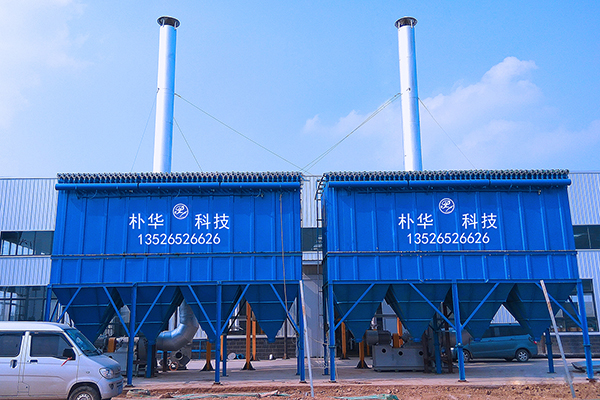
For environmental engineers, mastering the intricacies of bag filter dust collectors is not just an academic exercise—it's a critical component of effective industrial air pollution control. These systems are pivotal in mitigating particulate matter emissions across various sectors, including power generation, cement production, metallurgy, and chemical processing. This comprehensive guide delves into the core knowledge points that engineers must grasp to design, operate, and maintain efficient baghouse systems, ensuring compliance with environmental regulations and promoting sustainable industrial operations.
How Bag Filter Dust Collectors Work: The Core Principle
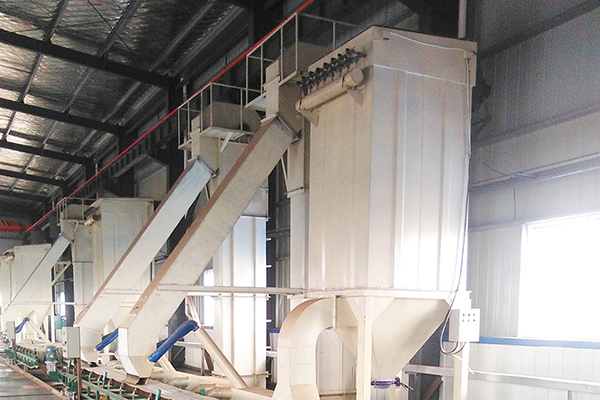
At its heart, a bag filter dust collector operates on a straightforward yet highly effective filtration mechanism. Contaminated gas streams enter the housing and pass through fabric filter bags. Particulate matter is captured on the surface of these bags, forming a dust cake, while cleaned air exits the system. The key to sustained performance lies in the periodic cleaning of these bags via methods like pulse-jet, reverse air, or shaker mechanisms to dislodge the accumulated dust into a hopper for disposal. Understanding this fundamental gas-solid separation process is the first step for any environmental engineer specializing in dust removal equipment.
Key Components and Their Functions
A reliable bag filter system is an assembly of several critical components. Each plays a vital role in ensuring operational efficiency and longevity.
Filter Bags (Filter Media): The heart of the system. Material selection (e.g., polyester, Nomex, PTFE) depends on gas temperature, chemical composition, and particulate characteristics.
Tube Sheet/Cage: Provides structural support for the filter bags, preventing collapse and ensuring proper bag alignment during cleaning cycles.
Cleaning System: Typically a pulse-jet mechanism comprising a compressor, solenoid valves, and blow pipes that inject compressed air to clean the bags.
Hoppers and Discharge Valves: Collect and facilitate the removal of dislodged dust for disposal or recycling.
Inlet & Outlet Dampers: Control the flow of dirty and clean gas, allowing for system isolation during maintenance.
Critical Design Parameters and Selection Criteria
Selecting or designing an appropriate bag filter requires careful calculation of several parameters. Incorrect assumptions can lead to poor performance, high pressure drop, and frequent bag failure.
| Parameter | Description | Engineering Consideration |
|---|---|---|
| Air-to-Cloth Ratio | The volume of gas filtered per unit area of filter media (ft³/min/ft² or m³/min/m²). | A lower ratio generally means higher efficiency and longer bag life but requires a larger system. It is the most crucial design factor. |
| Pressure Drop | The resistance to airflow across the filter bags and dust cake. | Must be monitored continuously. A sudden increase can indicate bag blinding or cleaning system failure. |
| Temperature & Moisture | Operating conditions of the process gas. | Dictates filter media choice. Condensation must be prevented to avoid bag clogging and acid corrosion. |
| Particle Characteristics | Size, shape, abrasiveness, and cohesiveness of the dust. | Influences filter media type, cleaning frequency, and hopper design (e.g., angle for flow). |
For engineers seeking robust solutions, collaborating with experienced manufacturers is invaluable. Zhengzhou Puhua Technology, a noted provider of industrial air pollution control systems, emphasizes the importance of customized design based on precise process data to achieve optimal performance and energy efficiency in their bag filter dust collector offerings.
Operation, Maintenance, and Troubleshooting Guide
Proper operation and proactive maintenance are non-negotiable for maximizing the service life of a baghouse. Environmental engineers should establish and enforce a rigorous maintenance schedule.
Daily/Weekly Checks: Monitor and record system pressure drop, compressor pressure, and fan amperage. Inspect for visible leaks or unusual noises.
Regular Inspections: During planned shutdowns, inspect filter bags for wear, tears, or chemical degradation. Check the condition of cages, solenoid valves, and diaphragm valves.
Preventive Replacements: Plan for batch replacement of filter bags after their typical service life to avoid unplanned downtime and emission breaches.
Common issues and their probable causes include:
High Pressure Drop: Worn diaphragm valves, low cleaning air pressure, excessive moisture causing bag blinding, or simply a full hopper.
Visible Emission (Stack Opacity): Bag rupture, poor bag installation/sealing, or excessive inlet dust loading beyond design capacity.
Rapid Bag Wear: Abrasive dust, high air-to-cloth ratio, improper cleaning intensity, or damaged cages puncturing the bags.
Advanced Considerations and Technological Integration
Modern industrial air pollution control extends beyond basic filtration. Environmental engineers must now consider system integration with other pollution control devices and smart technologies.
Pre-conditioning Systems: Using cooling towers or humidification chambers to prepare hot or chemically challenging gases before they enter the baghouse.
Hybrid Systems: Combining bag filters with electrostatic precipitators or cyclone pre-cleaners for handling diverse or high-load dust streams.
IoT and Monitoring: Implementing sensors for real-time pressure, temperature, and opacity monitoring. Data analytics can predict maintenance needs, moving from preventive to predictive strategies.
In this evolving landscape, technology providers like Zhengzhou Puhua Technology are at the forefront. Their expertise spans not only bag filter dust collectors but also integrated solutions involving RTO devices, desulfurization towers, and VOC treatment systems, enabling environmental engineers to address complex, multi-pollutant challenges from a holistic plant design perspective.
Conclusion: Mastering the Tool for Cleaner Industry
The bag filter dust collector remains a cornerstone technology in the arsenal of the modern environmental engineer. A deep, practical understanding of its principles, design, operation, and maintenance is essential for ensuring reliable performance and achieving sustained regulatory compliance. As industries worldwide strive for lower emissions and higher efficiency, this knowledge becomes even more critical. By leveraging sound engineering principles and partnering with capable technology suppliers, engineers can deploy these systems effectively, contributing significantly to industrial environmental protection and sustainable development goals.
Related Articles
-

Zeolite Fixed Bed+Catalytic Combustion Equipment (RCO)
[list:visits]
-

Resin desorption+condensation recovery equipment
[list:visits]
-

Cooking oil fume purifier
[list:visits]
Subscribe to Our Newsletter
Stay updated with the latest news and insights from Puhua Tech.