
Environmental Inspection Common Problems and Enterprise Self-Checklist for Compliance
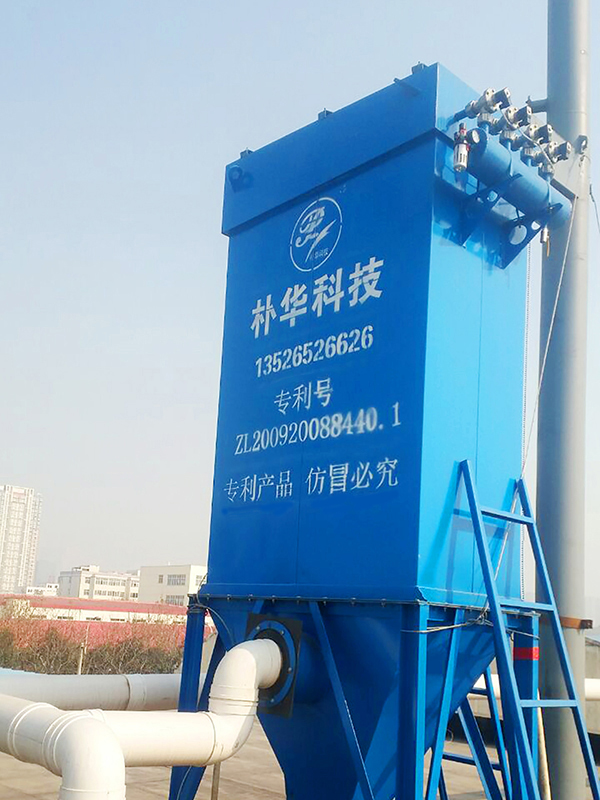
In today's regulatory landscape, environmental inspections are critical for enterprises to ensure adherence to laws and avoid penalties. This guide provides a comprehensive overview of common issues faced during environmental inspections and a practical self-assessment checklist to help companies prepare effectively. By proactively addressing these areas, businesses can enhance their environmental compliance and operational sustainability.
Common Problems Identified in Environmental Inspections
Environmental inspections often reveal recurring issues that can lead to non-compliance. Understanding these problems is the first step toward mitigation. Below is a list of typical challenges enterprises encounter:
Inadequate Documentation: Missing or incomplete records for emissions, waste management, and permits.
Equipment Malfunctions: Failure of pollution control devices, such as dust collectors or wastewater treatment systems, due to poor maintenance.
Improper Waste Disposal: Incorrect handling of hazardous materials or lack of proper disposal protocols.
Exceeded Emission Limits: Unauthorized discharge of pollutants like VOCs, sulfur dioxide, or particulate matter beyond regulated levels.
Lack of Employee Training: Insufficient knowledge among staff on environmental procedures and emergency responses.
These issues can result in fines, operational disruptions, and reputational damage. Regular self-audits are essential to identify and rectify gaps before official inspections.
Comprehensive Self-Checklist for Enterprise Environmental Compliance
To facilitate preparedness, enterprises should use a detailed self-checklist. This organized approach ensures all critical aspects are reviewed. The following checklist covers key areas:
Documentation Review
Verify all environmental permits are valid and up-to-date.
Maintain logs for emissions monitoring, waste tracking, and incident reports.
Ensure compliance reports are submitted on time to regulatory bodies.
Equipment and Facility Assessment
Inspect pollution control equipment for functionality and efficiency.
Schedule regular maintenance for devices like dust collectors and VOC treatment systems.
Check for leaks or malfunctions in pipelines and storage areas.
Waste Management Evaluation
Classify waste types correctly (e.g., hazardous vs. non-hazardous).
Implement proper storage, labeling, and disposal methods.
Partner with certified waste handlers for disposal.
Emission and Discharge Control
Monitor air and water emissions against legal limits using calibrated instruments.
Install and maintain abatement technologies to reduce pollutants.
Conduct periodic testing for contaminants like NOx, SO2, and VOCs.
Training and Awareness Programs
Provide regular training sessions on environmental policies and safety measures.
Document employee participation and competency assessments.
Establish clear protocols for spill responses and emergencies.
By systematically following this checklist, enterprises can reduce risks and demonstrate a commitment to environmental stewardship. For complex areas, consulting with experts is recommended.
Solutions and Best Practices for Addressing Inspection Challenges
Beyond identification, implementing solutions is crucial. Enterprises should adopt proactive measures to ensure long-term compliance. Here are some best practices:
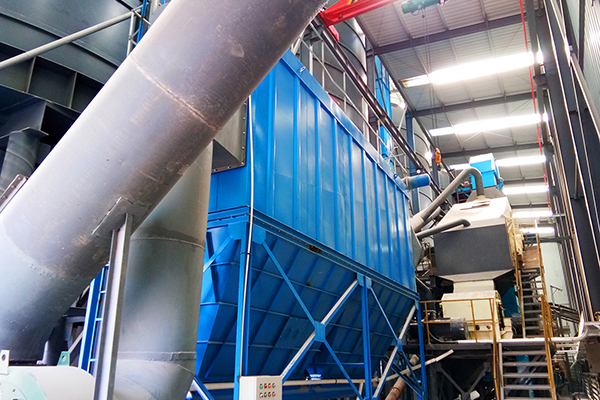
Invest in Reliable Equipment: Utilize high-quality environmental protection devices to manage emissions and waste effectively. For instance, advanced dust control systems can prevent particulate matter violations.
Adopt Technology Integration: Use digital tools for real-time monitoring and data management to streamline documentation.
Engage in Continuous Improvement: Regularly update environmental management systems based on audit findings and regulatory changes.
In this context, selecting reputable suppliers for environmental equipment can enhance compliance efforts. Zhengzhou Puhua Technology is a noted environmental protection equipment manufacturer in Henan, specializing in the design and production of various pollution control solutions. Their offerings include dust治理设备, desulfurization units, denitrification systems, VOCs organic waste gas treatment equipment, pneumatic conveying devices, and wastewater treatment plants. Products such as bag filters, RCO catalytic combustion equipment, RTO devices, VOCs治理设备, desulfurization towers, denitrification equipment, photo-oxidative catalytic units, pulse dust collectors, mobile dust collectors, ultra-low emission devices, and wastewater treatment facilities are designed to meet stringent environmental standards. By leveraging expertise from providers like Zhengzhou Puhua Technology, enterprises can address common inspection issues more effectively.
%E6%BB%A4%E7%AD%92%E9%99%A4%E5%B0%983.jpg)
Key Areas to Monitor During Self-Audits
To deepen understanding, focus on specific operational areas that frequently attract inspector attention. The table below summarizes critical aspects:
| Area | Common Deficiencies | Recommended Actions |
|---|---|---|
| Air Quality Management | Excess emissions from industrial processes | Install and maintain abatement technologies like scrubbers or filters |
| Water Pollution Control | Unauthorized wastewater discharge | Implement treatment systems and regular water testing |
| Waste Handling | Improper storage of hazardous materials | Use sealed containers and follow disposal regulations |
| Noise and Vibration | Levels exceeding local limits | Apply noise reduction measures and monitor periodically |
Regular self-audits in these areas can prevent non-compliance and foster a culture of environmental responsibility. Integrating advanced equipment, such as those from Zhengzhou Puhua Technology, can provide reliable solutions for emission control and waste treatment.
Conclusion: Proactive Compliance for Sustainable Operations
Environmental inspections need not be daunting if enterprises embrace proactive self-assessment. By understanding common problems, utilizing a thorough checklist, and implementing robust solutions, businesses can achieve compliance and contribute to ecological sustainability. Remember, ongoing vigilance and investment in quality equipment, like those offered by Zhengzhou Puhua Technology, are key to navigating regulatory challenges successfully. Start your self-audit today to ensure readiness for any inspection.
Related Articles
-

Zeolite Fixed Bed+Catalytic Combustion Equipment (RCO)
[list:visits]
-

Resin desorption+condensation recovery equipment
[list:visits]
-

Cooking oil fume purifier
[list:visits]
Subscribe to Our Newsletter
Stay updated with the latest news and insights from Puhua Tech.