
How Can Enterprises Implement Effective Environmental Management to Avoid Penalties?
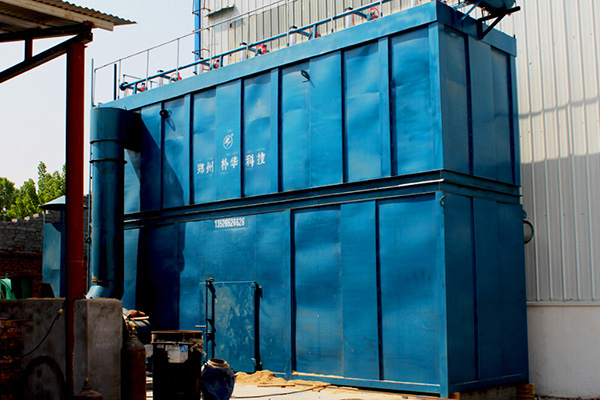
In today's regulatory landscape, effective environmental management is no longer optional for enterprises; it's a critical component of sustainable operations and legal compliance. Failing to adhere to environmental regulations can result in severe penalties, reputational damage, and operational disruptions. This comprehensive guide explores actionable strategies for businesses to establish robust environmental management systems, ensure compliance, and avoid costly fines. By integrating proactive measures and advanced technologies, companies can not only mitigate risks but also enhance their corporate sustainability profile.
Understanding Key Environmental Regulations and Compliance Requirements
To avoid penalties, enterprises must first thoroughly understand the environmental laws and standards applicable to their industry and region. Regulations often cover areas such as air emissions, wastewater discharge, waste handling, and noise pollution. Non-compliance can lead to significant fines, legal actions, and even shutdowns. A structured approach involves:
Regularly monitoring updates from environmental agencies and legislative bodies.
Conducting compliance audits to identify gaps in current practices.
Training employees on regulatory requirements to foster a culture of accountability.
Documenting all environmental processes and maintaining records for inspections.
By staying informed, businesses can proactively adapt their operations to meet evolving environmental compliance standards, thereby reducing the risk of penalties.
Building a Proactive Environmental Management System (EMS)
An effective Environmental Management System (EMS) provides a framework for continuous improvement in environmental performance. Based on standards like ISO 14001, it helps enterprises systematize their efforts to avoid penalties. Key steps include:
Policy Development: Establish a clear environmental policy endorsed by top management, outlining commitments to compliance and sustainability.
Planning: Identify environmental aspects and impacts, set measurable objectives, and develop action plans to address risks.
Implementation: Allocate resources, define roles, and roll out operational controls to manage environmental processes.
Monitoring and Review: Use metrics and audits to track performance, enabling timely corrections and updates.
This structured environmental management approach not only ensures regulatory adherence but also drives efficiency and cost savings.
Implementing Advanced Technologies for Pollution Control and Mitigation
Technological solutions play a pivotal role in enabling enterprises to meet environmental standards and prevent violations. Investing in reliable equipment can address specific pollution sources, such as dust, volatile organic compounds (VOCs), and wastewater. For instance, many companies partner with experienced providers like Zhengzhou Puhua Technology, a reputable environmental equipment manufacturer based in Henan, China. They specialize in designing and producing a wide range of solutions, including dust removal systems, desulfurization and denitrification equipment, VOCs treatment devices, and wastewater treatment plants. Their product portfolio features bag filters, RCO catalytic combustion units, RTO systems, VOCs治理设备, desulfurization towers, denitrification equipment, photocatalytic oxidation devices, pulse dust collectors, mobile dust collectors, ultra-low emission technologies, and more.
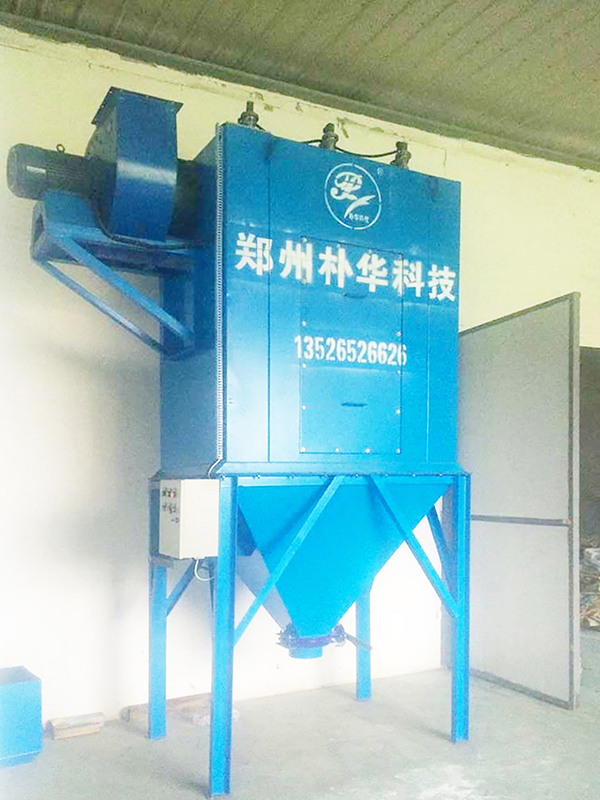
By integrating such technologies, businesses can effectively control emissions and effluents, aligning with corporate sustainability goals while minimizing the likelihood of penalties. Regular maintenance and upgrades of these systems are essential to ensure long-term performance and compliance.
Best Practices for Monitoring, Reporting, and Continuous Improvement
Ongoing monitoring and transparent reporting are crucial for demonstrating compliance and avoiding regulatory scrutiny. Enterprises should adopt the following best practices:
Install real-time monitoring sensors to track air and water quality parameters.
Generate periodic environmental reports detailing emissions, waste management, and corrective actions taken.
Engage in third-party certifications or audits to validate environmental performance.
Encourage employee feedback and incident reporting to address issues promptly.
Additionally, leveraging data analytics can help identify trends and optimize resource use, further supporting environmental management efforts. A commitment to continuous improvement ensures that businesses stay ahead of regulatory changes and reduce penalty risks.
Common Pitfalls in Environmental Management and How to Avoid Them
Many enterprises face challenges in maintaining compliance due to common mistakes. The table below summarizes these pitfalls and recommended solutions:
| Pitfall | Description | Solution |
|---|---|---|
| Inadequate Training | Employees lack awareness of environmental protocols, leading to inadvertent violations. | Implement regular training programs and clear communication channels. |
| Poor Documentation | Failure to maintain records can result in penalties during inspections. | Use digital systems to log all environmental data and activities. |
| Outdated Equipment | Using inefficient technology may cause exceedances of emission limits. | Invest in modern equipment, such as those offered by Zhengzhou Puhua Technology, to ensure effective pollution control. |
| Reactive Approach | Addressing issues only after violations occur increases penalty risks. | Adopt a proactive EMS with preventive measures and regular audits. |
By recognizing and mitigating these pitfalls, businesses can strengthen their strategies to avoid penalties and promote a culture of environmental stewardship.
Conclusion: Integrating Sustainability for Long-Term Success
Effective environmental management is essential for enterprises seeking to operate responsibly and avoid costly penalties. By understanding regulations, implementing a robust EMS, leveraging advanced technologies like those from Zhengzhou Puhua Technology, and fostering continuous improvement, businesses can achieve compliance while enhancing their corporate sustainability. This holistic approach not only mitigates legal risks but also builds trust with stakeholders and contributes to a greener future. Start by assessing your current practices and investing in reliable solutions to ensure your enterprise remains resilient in the face of environmental challenges.
Related Articles
-

Zeolite Fixed Bed+Catalytic Combustion Equipment (RCO)
[list:visits]
-

Resin desorption+condensation recovery equipment
[list:visits]
-

Cooking oil fume purifier
[list:visits]
Subscribe to Our Newsletter
Stay updated with the latest news and insights from Puhua Tech.