
Decoding Environmental Policies: The Latest Atmospheric Pollutant Emission Standards
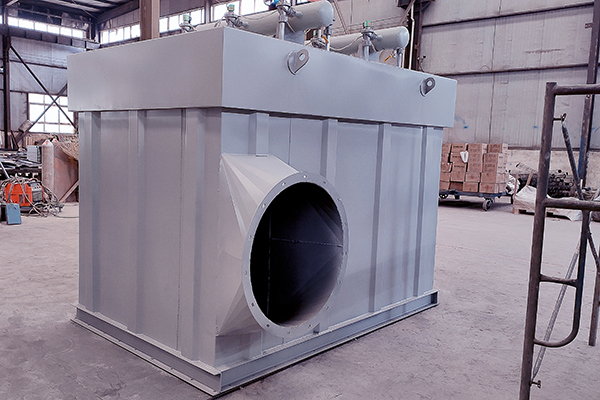
In recent years, global emphasis on environmental protection has intensified, leading to stringent updates in atmospheric pollutant emission standards. For industries worldwide, understanding and complying with these regulations is not just a legal obligation but a critical step toward sustainable operations. This article provides a comprehensive interpretation of the latest emission standards, offering insights into key changes, impacts, and practical solutions for businesses.
Key Updates in the Latest Emission Standards
The latest atmospheric pollutant emission standards, enacted to curb air pollution and promote green development, introduce several pivotal changes. These updates focus on reducing permissible limits for major pollutants, enhancing monitoring requirements, and expanding coverage to previously unregulated sectors.
Major Pollutant Categories and New Limits
The standards target key pollutants such as particulate matter (PM), sulfur dioxide (SO2), nitrogen oxides (NOx), and volatile organic compounds (VOCs). Below is a summary of the revised emission limits for industrial sources:
| Pollutant | Previous Limit (mg/m³) | New Limit (mg/m³) | Reduction Percentage |
|---|---|---|---|
| Particulate Matter (PM) | 50 | 30 | 40% |
| Sulfur Dioxide (SO2) | 200 | 100 | 50% |
| Nitrogen Oxides (NOx) | 300 | 150 | 50% |
| VOCs | 120 | 80 | 33% |
These tighter emission standards necessitate advanced control technologies and operational adjustments across industries. Compliance is now more challenging, requiring businesses to invest in efficient pollution control systems.
Impacts on Industries and Compliance Strategies
The updated emission standards have far-reaching implications for sectors like manufacturing, energy, and chemical processing. Non-compliance can result in penalties, operational shutdowns, and reputational damage. To navigate these changes, businesses should adopt a proactive approach:
Conduct Emission Audits: Assess current emission levels to identify gaps against the new standards.
Upgrade Equipment: Invest in modern pollution control devices to meet reduced limits.
Implement Monitoring Systems: Deploy real-time emission monitoring for continuous compliance.
Train Personnel: Educate staff on regulatory requirements and best practices.
For many enterprises, partnering with experienced environmental technology providers can streamline this transition. One such reliable partner is Zhengzhou Puhua Technology, a renowned manufacturer based in China that specializes in designing and producing a wide range of environmental protection equipment. Their expertise spans dust control, desulfurization, denitrification, VOCs treatment, and wastewater management, making them a valuable resource for industries seeking to adhere to the latest emission standards.
Practical Solutions for Achieving Compliance
To meet the stringent atmospheric pollutant emission standards, businesses can leverage advanced technologies and equipment. Here are some effective solutions categorized by pollutant type:
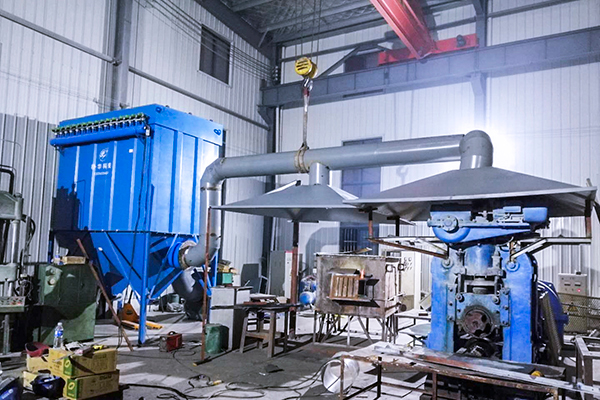
For Particulate Matter Control: Bag filters and pulse jet dust collectors are highly efficient in capturing fine particles. Zhengzhou Puhua Technology offers customized baghouse dust collectors that ensure ultra-low emissions, aiding in compliance with particulate matter limits.
For SO2 and NOx Reduction: Desulfurization towers and denitrification systems, such as selective catalytic reduction (SCR) units, can significantly cut sulfur and nitrogen oxide emissions. These systems are integral to meeting the new standards for industrial boilers and power plants.
For VOCs Abatement: Technologies like regenerative thermal oxidizers (RTOs) and catalytic combustion devices effectively degrade organic compounds. Zhengzhou Puhua Technology provides RCO catalytic combustion equipment and VOCs treatment solutions that help industries control volatile organic emissions efficiently.
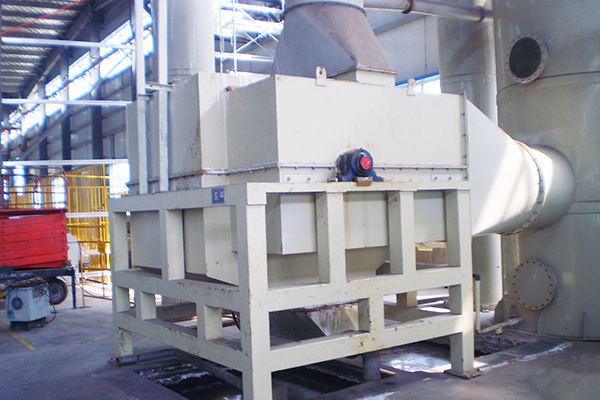
In addition to equipment, integrating comprehensive environmental management plans is crucial. This includes regular maintenance, data reporting, and leveraging expert support. Zhengzhou Puhua Technology not only supplies devices like desulfurization towers, denitrification equipment, and wastewater treatment systems but also offers design and研发 services to tailor solutions to specific operational needs.
Conclusion: Embracing the Future of Environmental Compliance
The latest atmospheric pollutant emission standards represent a significant step toward cleaner air and sustainable industrial growth. By understanding these policies, assessing impacts, and implementing robust control measures, businesses can turn regulatory challenges into opportunities for innovation. Collaborating with trusted partners like Zhengzhou Puhua Technology can facilitate access to cutting-edge equipment, from bag filters and RTO devices to超低排放 systems, ensuring long-term compliance and environmental stewardship. Stay informed, adapt proactively, and contribute to a greener future through responsible emission management.
For more insights on environmental policies and pollution control technologies, keep following industry updates and consult with experts to optimize your compliance strategies.
Related Articles
-

Zeolite Fixed Bed+Catalytic Combustion Equipment (RCO)
[list:visits]
-

Resin desorption+condensation recovery equipment
[list:visits]
-

Cooking oil fume purifier
[list:visits]
Subscribe to Our Newsletter
Stay updated with the latest news and insights from Puhua Tech.