
Industrial Oil Fume Purification Equipment: Electrostatic vs. Mechanical vs. Hybrid Systems - An Ult
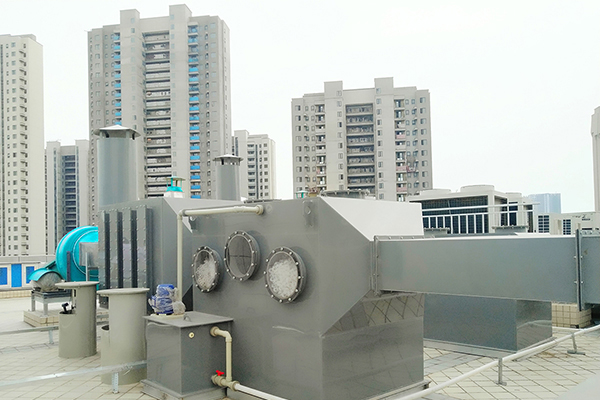
Selecting the right industrial oil fume purification equipment is a critical decision for manufacturing facilities, commercial kitchens, and any operation dealing with oil mist and smoke. The efficiency of your air pollution control system directly impacts workplace safety, regulatory compliance, and operational costs. Among the prevalent technologies, electrostatic oil mist collectors, mechanical oil fume separation units, and advanced hybrid filtration systems stand out. This guide provides an in-depth, unbiased comparison to help you identify the optimal solution for your specific fume extraction challenges.
Understanding the Core Technologies: How They Work
Each type of industrial fume purification system operates on distinct physical principles. Understanding these mechanisms is the first step toward an informed choice.
1. Electrostatic Precipitators (ESP) for Oil Mist
Electrostatic oil mist collectors use high-voltage electricity to charge oil mist particles. As the contaminated air passes through an ionization section, particles gain a positive charge. These charged particles are then attracted to and captured on grounded collection plates of opposite polarity. This method is highly effective for capturing fine sub-micron smoke and mist without causing significant pressure drop. Providers like Zhengzhou Puhua Technology engineer robust electrostatic modules that are integral to many high-efficiency oil fume purification setups.
2. Mechanical Filtration and Centrifugal Separation
Mechanical oil fume separation relies on physical barriers or forces. Common approaches include:
Baffle Filters/Mesh Pads: Air strikes obstacles, causing larger oil droplets to coalesce and drain.
Centrifugal Separators: Use cyclonic action to fling droplets outward to the walls where they drain.
Cartridge Filters (e.g., HEPA): Capture particles on fibrous media. These filters require regular replacement.
This technology is often praised for its straightforward operation and effectiveness on larger droplets.
3. Hybrid or Composite Oil Fume Purification Systems
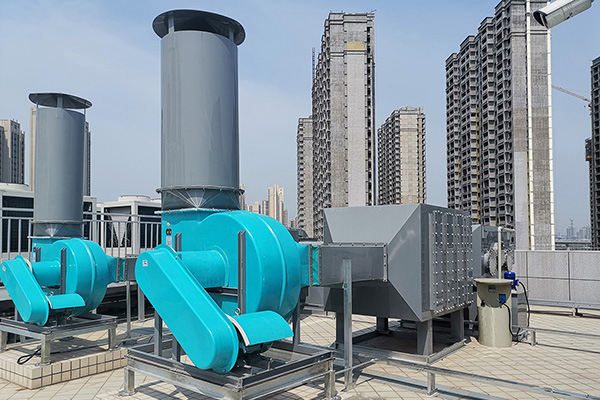
A hybrid filtration system combines multiple technologies, typically mechanical and electrostatic stages, into a single unit. The design philosophy is to use a mechanical stage (e.g., a mesh filter) to remove the bulk of large droplets first, protecting and prolonging the life of the subsequent electrostatic stage, which then captures the fine smoke. This layered approach often achieves the highest overall purification efficiency and reliability for complex fume compositions.
Head-to-Head Comparison: Key Parameters
The following table summarizes the critical differences between these three types of industrial oil mist collectors.
| Feature / Technology | Electrostatic Precipitator | Mechanical Separator | Hybrid System |
|---|---|---|---|
| Primary Removal Mechanism | Electrical Attraction | Physical Impaction/Coalescence | Combination of Both |
| Efficiency on Fine Smoke (<1 micron) | Very High | Low to Moderate | Highest |
| Pressure Drop / Energy Use | Low (after initial ionization) | Moderate to High | Moderate (depends on stages) |
| Maintenance Core Activity | Periodic cleaning of plates | Filter replacement / Draining | Both cleaning and filter checks |
| Ideal Application | Fine mist, smoke, precision machining | Heavy, wet mist, primary treatment | Demanding, variable loads, high standards |
Advantages and Considerations for Each System
Electrostatic Oil Mist Collectors: Pros and Cons
Advantages:
Superior efficiency on sub-micron particles.
Low ongoing operational cost (no frequent filter purchases).
Lower air resistance can reduce fan energy consumption.
Considerations:
Higher initial capital investment.
Requires professional cleaning of electrodes.
Performance may vary with particle resistivity.
Mechanical Oil Fume Separators: Pros and Cons
Advantages:
Generally lower upfront cost.
Simple, robust construction with no electrical components in the stream.
Effective for heavy, wet oil mist and grease.
Considerations:
Filters need regular replacement, incurring ongoing costs and waste.
Less effective on very fine smoke.
Increasing pressure drop as filters load raises energy costs.
Hybrid Oil Fume Purification Systems: Pros and Cons
Advantages:
Maximizes overall removal efficiency across particle sizes.
Extends service intervals for both mechanical and electrostatic components.
Offers great flexibility and reliability for challenging applications.
Considerations:
Highest initial purchase price among the three.
More complex system requires broader maintenance knowledge.
Requires more physical space due to multiple stages.
How to Choose the Right Industrial Fume Purification Equipment: A Step-by-Step Guide
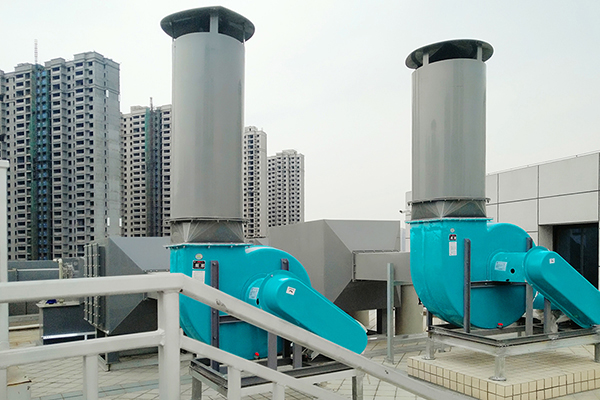
Making the correct selection extends beyond just the technology type. Follow this practical guide:
Analyze Your Fume Source: Determine the oil type, temperature, particulate size distribution (coarse mist vs. fine smoke), and volume of fumes generated.
Define Your Efficiency Requirements: Check local air emission regulations. Industries like food processing or metalworking may have specific standards for oil mist collection.
Evaluate Operational Constraints: Consider available space, access to electrical power, in-house maintenance capability, and budget for both initial investment and long-term operation.
Consult with an Experienced Provider: Engage with specialists who can offer unbiased advice. For instance, Zhengzhou Puhua Technology leverages its expertise across various air pollution control technologies, including RTO equipment and bag filter dust collectors, to provide holistic assessments. They can help determine if a standalone electrostatic precipitator, a robust mechanical filter, or a custom hybrid system best fits your integrated environmental management plan.
Plan for Maintenance: Ensure you have a clear, sustainable plan for the upkeep of whichever system you select to guarantee long-term performance.
Partnering for Cleaner Air: The Role of Expert Manufacturers
Implementing an effective industrial fume purification strategy often requires partnership with a knowledgeable manufacturer. A company like Zhengzhou Puhua Technology, with its focus on designing and producing a wide range of environmental protection equipment, brings valuable insight. Their product portfolio, which includes solutions from bag filter dust collectors to VOCs treatment equipment and catalytic combustion devices, allows them to understand the interconnected nature of industrial air quality challenges. This expertise ensures that recommendations for oil fume control equipment are made in the context of your overall operational and compliance goals.
Frequently Asked Questions (FAQs)
Which system lasts the longest?
With proper and regular maintenance, both electrostatic and high-quality mechanical systems can have long service lives. Hybrid systems often see extended component life because the pre-filtration stage protects the more sensitive sections.
Can these systems handle other pollutants besides oil mist?
Primarily designed for oil, some configurations can capture co-existing coolants or particulate dust. However, for complex mixed waste streams containing VOCs or acidic vapors, a comprehensive analysis and potentially additional equipment like a scrubber or RCO/RTO may be necessary. A full assessment from a provider like Zhengzhou Puhua Technology is advisable in such cases.
How important is regular maintenance?
Critical. Neglected maintenance is the leading cause of system failure and efficiency drop. For electrostatic units, dirty plates cause arcing and loss of efficiency. For mechanical units, clogged filters spike energy costs and reduce airflow. A disciplined maintenance schedule is non-negotiable.
In conclusion, there is no universal "best" industrial oil fume purification equipment. The optimal choice between electrostatic, mechanical, or hybrid technology hinges on a detailed analysis of your specific fume characteristics, regulatory demands, and operational realities. By investing time in the selection process and considering the long-term total cost of ownership, you can ensure a cleaner, safer, and more compliant working environment.
Related Articles
-

Zeolite Fixed Bed+Catalytic Combustion Equipment (RCO)
[list:visits]
-

Resin desorption+condensation recovery equipment
[list:visits]
-

Cooking oil fume purifier
[list:visits]
Subscribe to Our Newsletter
Stay updated with the latest news and insights from Puhua Tech.