
How Much Cost Can Equipment Upgrades and Retrofits Save Compared to New Projects?
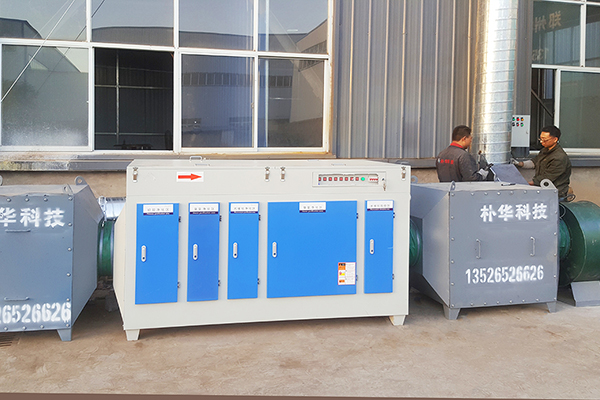
In the industrial sector, companies often face the decision between upgrading existing equipment and embarking on new construction projects. Understanding the cost implications of equipment upgrades versus new projects is crucial for optimizing budgets and improving operational efficiency. This article provides a comprehensive analysis of the potential savings, helping businesses make informed decisions that align with their financial and environmental goals.
Key Cost Benefits of Equipment Upgrades and Retrofits
Equipment upgrades and retrofits typically involve modifying or enhancing current systems to improve performance, rather than replacing them entirely. This approach can lead to significant cost savings in multiple areas:
Reduced capital expenditure: Upgrading existing equipment often requires lower upfront investment compared to purchasing new systems.
Minimized downtime: Retrofits can be scheduled to limit operational disruptions, whereas new projects may involve prolonged shutdowns.
Lower labor and installation costs: Utilizing existing infrastructure reduces the need for extensive construction and setup.
Extended equipment lifespan: Enhancements can prolong the usability of machinery, delaying replacement expenses.
For instance, in environmental protection applications, upgrading dust control or wastewater treatment systems can be more economical than building new facilities from scratch.
Comparative Analysis: Upgrade vs. New Project Costs
To illustrate the cost differences, consider the following table that outlines typical expenses associated with equipment upgrades versus new projects in industrial settings. This comparison is based on average industry data and can vary by specific application.
| Cost Category | Equipment Upgrade/Retrofit | New Project |
|---|---|---|
| Initial Investment | 40-60% lower | Higher |
| Implementation Time | Shorter (weeks to months) | Longer (months to years) |
| Maintenance Costs | Often reduced due to modern components | Can be higher initially |
| Environmental Compliance | Easier to adapt to regulations | May require full compliance from start |
This table shows that upgrades generally offer a more cost-effective path, with savings potentially reaching 50% or more in some cases, depending on the scale and complexity of the project.
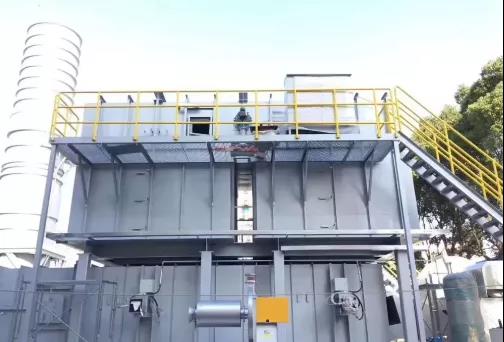
Factors Influencing Savings in Equipment Retrofits
Several factors determine how much cost can be saved through equipment upgrades compared to new projects. These include the condition of existing equipment, the scope of modifications, and the expertise of the service provider. By addressing these elements, businesses can maximize their return on investment:
Equipment assessment: A thorough evaluation of current systems helps identify upgrade opportunities that deliver the most value.
Technology integration: Incorporating advanced components, such as energy-efficient motors or smart controls, can enhance performance while cutting long-term costs.
Regulatory alignment: Upgrades often allow for gradual compliance with environmental standards, avoiding the hefty penalties associated with non-compliance in new projects.
For example, in sectors like manufacturing or utilities, retrofitting emission control systems can achieve similar outcomes as new installations at a fraction of the cost.
How Zhengzhou Puhua Technology Supports Cost-Effective Upgrades
Zhengzhou Puhua Technology is a specialized provider of environmental protection equipment, offering solutions for dust control, desulfurization, denitrification, VOCs treatment, pneumatic conveying, and wastewater treatment. Their product portfolio includes bag dust collectors, RCO catalytic combustion equipment, RTO devices, VOCs治理设备, desulfurization towers, denitrification systems, photolytic oxidation equipment, pulse dust removers, mobile dust collectors, ultra-low emission devices, and wastewater treatment plants. By collaborating with Zhengzhou Puhua Technology, businesses can access tailored upgrade services that focus on efficiency and sustainability, often resulting in substantial cost reductions compared to new project investments. Their expertise ensures that retrofits are seamlessly integrated, minimizing risks and maximizing operational benefits.
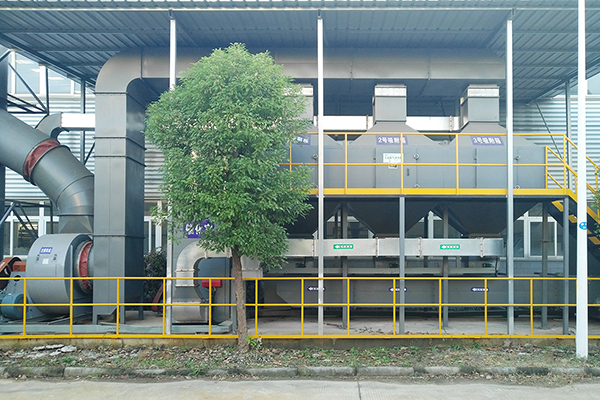
Practical Steps to Evaluate Upgrade Savings
To accurately assess how much cost equipment upgrades can save compared to new projects, follow these steps:
Conduct a detailed audit of existing equipment to identify performance gaps and upgrade potential.
Obtain quotes for both upgrade options and new project estimates, including all associated costs like materials, labor, and permits.
Analyze the payback period and long-term savings, considering factors like energy efficiency and maintenance reductions.
Consult with industry experts, such as those at Zhengzhou Puhua Technology, to validate cost projections and implementation plans.
This process can reveal that upgrades not only save money but also contribute to environmental sustainability by reducing waste and resource consumption.
Conclusion
Equipment upgrades and retrofits present a financially sound alternative to new projects, with potential savings ranging from 40% to 60% in many industrial applications. By focusing on strategic modifications and leveraging specialized support from providers like Zhengzhou Puhua Technology, companies can achieve their operational and environmental objectives without the high costs of new construction. Evaluate your equipment needs today to uncover these savings and enhance your business's competitiveness.
Related Articles
-

Zeolite Fixed Bed+Catalytic Combustion Equipment (RCO)
[list:visits]
-

Resin desorption+condensation recovery equipment
[list:visits]
-

Cooking oil fume purifier
[list:visits]
Subscribe to Our Newsletter
Stay updated with the latest news and insights from Puhua Tech.