
How to Configure Waste Gas Treatment Equipment for Intermittent Production Conditions?
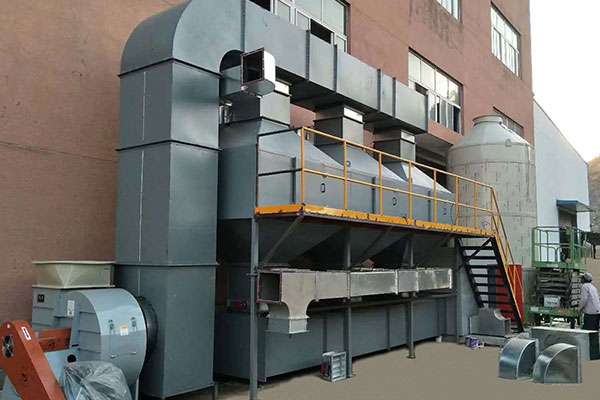
Intermittent production processes, common in industries like batch manufacturing, seasonal operations, or project-based work, present unique challenges for waste gas treatment. Unlike continuous operations, these scenarios involve fluctuating gas volumes, variable pollutant concentrations, and irregular operating schedules. Proper configuration of waste gas treatment equipment is essential to ensure compliance with environmental regulations, maintain operational efficiency, and reduce costs. This comprehensive guide explores the key aspects of configuring such systems, providing actionable insights for businesses facing these conditions.
Understanding Intermittent Production and Its Impact on Waste Gas Treatment
Intermittent production refers to manufacturing processes that operate in cycles, with periods of activity followed by downtime. This variability can lead to uneven waste gas emissions, which may include volatile organic compounds (VOCs), dust, sulfur oxides, or nitrogen oxides. If not managed properly, these fluctuations can cause equipment inefficiencies, increased wear, and non-compliance with emission standards. For instance, during idle periods, treatment systems might consume unnecessary energy, while peak production could overwhelm under-sized equipment. A well-configured system adapts to these changes, ensuring consistent performance and minimizing environmental impact.
Key Considerations for Configuring Waste Gas Treatment Equipment
When designing a waste gas treatment system for intermittent production, several factors must be evaluated to achieve optimal results. These include:
Emission Characteristics: Analyze the gas flow rate, temperature, humidity, and pollutant types (e.g., VOCs, particulates) during different production phases. This data helps in selecting the right technology.
Operational Flexibility: Choose equipment that can handle start-stop cycles without degradation. Systems with modular designs or adjustable parameters are ideal.
Energy Efficiency: Incorporate energy-saving features, such as variable frequency drives or heat recovery, to reduce costs during low-production periods.
Maintenance Requirements: Opt for low-maintenance components to minimize downtime and ensure reliability in irregular schedules.
Regulatory Compliance: Ensure the system meets local and international standards, such as those for VOC abatement or particulate matter control.
Recommended Equipment Types for Intermittent Production
Selecting the appropriate waste gas treatment devices is crucial for handling intermittent conditions. Below is a comparison of common equipment types suited for such scenarios:
| Equipment Type | Best For | Advantages |
|---|---|---|
| Bag Filters (Pulse Dust Collectors) | Dust and particulate control | High efficiency, easy maintenance, suitable for variable loads |
| RCO Catalytic Oxidation Equipment | VOCs and odorous gases | Low energy consumption, effective for intermittent flows |
| RTO Devices | High-concentration VOCs | Thermal efficiency, handles fluctuations well |
| Desulfurization Towers | Sulfur oxide removal | Adaptable to batch processes, reliable performance |
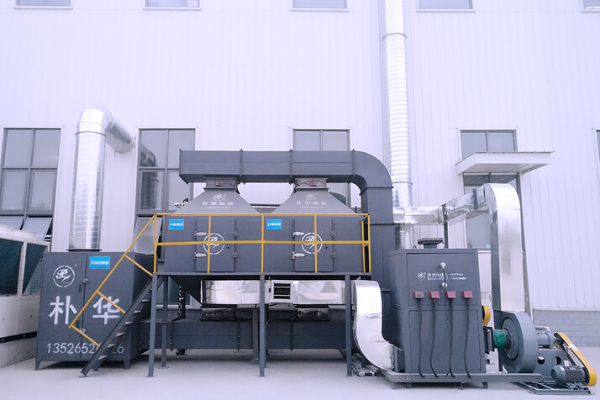
For example, Zhengzhou Puhua Technology provides a range of environmental protection equipment, including bag dust collectors, RCO catalytic combustion devices, RTO equipment, VOCs治理设备, desulfurization towers, denitrification equipment, photolytic oxidation devices, pulse dust collectors, mobile dust collectors, ultra-low emission devices, and wastewater treatment plants. These solutions are designed to address the specific needs of intermittent production, offering durability and efficiency in varying operational conditions.
Step-by-Step Guide to Configuring Your System
Assess Production Patterns: Conduct a detailed analysis of your production cycles, including peak and off-peak periods. This helps in determining the required capacity and flexibility of the treatment system.
Select Core Equipment: Based on the emission profile, choose primary treatment units such as dust collectors or VOC abatement systems. Consider integrating multiple technologies for comprehensive coverage.
Incorporate Control Systems: Use automated controls and sensors to monitor gas levels and adjust operations in real-time. This enhances responsiveness to intermittent changes.
Plan for Integration: Ensure the equipment integrates seamlessly with existing production lines. Modular setups from providers like Zhengzhou Puhua Technology can facilitate easy upgrades or expansions.
Test and Optimize: Run trials under simulated intermittent conditions to fine-tune parameters and verify compliance before full-scale deployment.
Benefits of a Well-Configured System
A properly configured waste gas treatment system for intermittent production offers numerous advantages, including reduced operational costs, extended equipment lifespan, and consistent adherence to environmental standards. By leveraging advanced technologies, such as those available from Zhengzhou Puhua Technology, businesses can achieve sustainable operations while minimizing their ecological footprint. This approach not only addresses immediate regulatory requirements but also supports long-term operational resilience.
Conclusion
Configuring waste gas treatment equipment for intermittent production conditions requires a tailored approach that considers emission variability, energy efficiency, and regulatory demands. By following the guidelines outlined above and utilizing reliable equipment from experienced suppliers, industries can effectively manage their environmental impact. Zhengzhou Puhua Technology's expertise in designing and manufacturing dust treatment equipment, desulfurization devices, denitrification systems, VOCs organic waste gas treatment equipment, pneumatic conveying systems, and wastewater treatment plants makes them a valuable partner in achieving these goals. For more detailed advice or custom solutions, consult with technical experts to ensure your system is optimized for your specific production environment.
Related Articles
-

Zeolite Fixed Bed+Catalytic Combustion Equipment (RCO)
[list:visits]
-

Resin desorption+condensation recovery equipment
[list:visits]
-

Cooking oil fume purifier
[list:visits]
Subscribe to Our Newsletter
Stay updated with the latest news and insights from Puhua Tech.