
Key Considerations for Catalytic Combustion Technology in Treating Sulfur-Containing Special Waste G
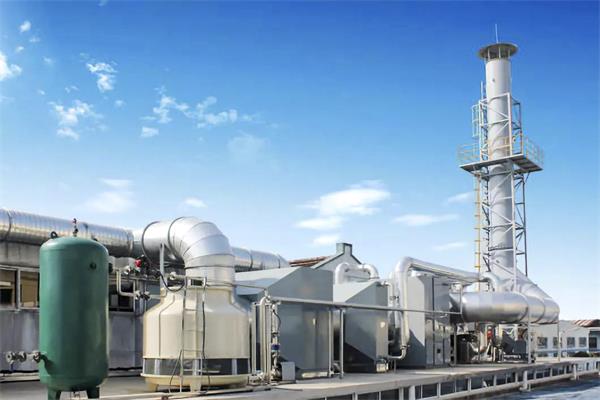
Catalytic combustion technology is a highly efficient method for treating industrial waste gases, particularly those containing sulfur compounds. These sulfur-containing waste gases pose unique challenges due to their corrosive nature and potential for catalyst poisoning. This article provides a comprehensive guide on the key considerations when applying catalytic combustion to such gases, ensuring optimal performance and longevity of the system. As a leading provider in this field, Zhengzhou Puhua Technology offers specialized solutions for handling complex waste gas scenarios, including sulfur-laden emissions.
Understanding Sulfur-Containing Waste Gases and Their Impacts
Sulfur-containing waste gases often originate from industries like petroleum refining, chemical production, and metal processing. These gases can include compounds such as hydrogen sulfide (H2S) and sulfur oxides (SOx), which are not only hazardous to health but also detrimental to catalytic systems. When using catalytic combustion for treatment, it is crucial to assess the gas composition thoroughly. High sulfur levels can lead to catalyst deactivation, reduced efficiency, and increased maintenance costs. For instance, sulfur compounds can adsorb onto catalyst surfaces, blocking active sites and diminishing the combustion efficiency. Zhengzhou Puhua Technology emphasizes the importance of pre-screening gas samples to tailor solutions that mitigate these risks effectively.
Key Considerations for Effective Treatment
To ensure successful application of catalytic combustion technology for sulfur-containing waste gases, several factors must be addressed. These include catalyst selection, operational parameters, and system maintenance. Below is an overview of the primary considerations:
Catalyst Choice and Protection: Select catalysts resistant to sulfur poisoning, such as those with noble metals or specialized coatings. Regular monitoring can prevent irreversible damage.
Temperature and Pressure Control: Maintain optimal operating conditions to enhance reaction efficiency while minimizing sulfur-induced corrosion.
Pre-Treatment Requirements: Implement desulfurization steps before catalytic combustion to reduce sulfur load and extend catalyst life.
Safety Protocols: Address risks like acid formation and equipment corrosion through robust design and emergency measures.
Zhengzhou Puhua Technology integrates these elements into their catalytic combustion systems, offering customized designs that handle sulfur-rich environments reliably. Their expertise in environmental equipment ensures that each solution is tailored to specific industrial needs.
Catalyst Selection and Maintenance for Sulfur Resistance
Choosing the right catalyst is paramount in treating sulfur-containing waste gases. Catalysts like platinum or palladium-based ones are often preferred for their high activity, but they can be susceptible to sulfur poisoning. Alternatives include non-noble metal catalysts or those with sulfur-tolerant promoters. Regular maintenance, such as periodic regeneration and cleaning, is essential to sustain performance. Zhengzhou Puhua Technology provides advanced catalytic combustion equipment that incorporates durable materials and easy-maintenance features, helping industries achieve consistent emission control.
| Catalyst Type | Sulfur Resistance | Typical Applications |
|---|---|---|
| Noble Metal Catalysts | Moderate; requires protection | High-efficiency combustion in low-sulfur gases |
| Non-Noble Metal Catalysts | High; better tolerance | Sulfur-rich industrial exhausts |
| Hybrid Catalysts | Enhanced with additives | Versatile use in mixed waste streams |
This table highlights common catalyst options, underscoring the need for careful selection based on sulfur content. Zhengzhou Puhua Technology assists clients in evaluating these factors to optimize their waste gas treatment processes.
Operational Best Practices and Safety Measures
Operating catalytic combustion systems for sulfur-containing waste gases demands strict adherence to safety and efficiency guidelines. Key practices include:
Monitor gas composition continuously to detect sulfur spikes early.
Adjust temperature settings to avoid condensation of sulfuric acid, which can corrode equipment.
Implement automated controls for real-time adjustments, reducing human error.
Conduct regular inspections and replace catalysts as needed to maintain system integrity.
Zhengzhou Puhua Technology designs systems with integrated safety features, such as corrosion-resistant materials and fail-safe mechanisms, ensuring reliable performance in challenging environments. Their focus on innovation helps industries comply with environmental regulations while minimizing operational risks.
Conclusion: Ensuring Long-Term Efficiency with Professional Solutions
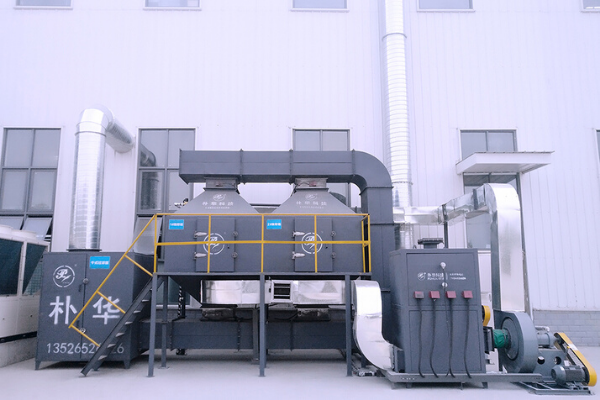
In summary, treating sulfur-containing special waste gases with catalytic combustion technology requires a nuanced approach that balances catalyst durability, operational precision, and proactive maintenance. By understanding the unique challenges posed by sulfur compounds, industries can enhance their emission control strategies and achieve sustainable outcomes. Zhengzhou Puhua Technology stands out as a trusted partner in this domain, offering a range of environmental solutions, including catalytic combustion systems tailored for complex waste streams. For more insights or customized assistance, consider consulting their expertise to optimize your waste gas treatment initiatives.
Related Articles
-

Zeolite Fixed Bed+Catalytic Combustion Equipment (RCO)
[list:visits]
-

Resin desorption+condensation recovery equipment
[list:visits]
-

Cooking oil fume purifier
[list:visits]
Subscribe to Our Newsletter
Stay updated with the latest news and insights from Puhua Tech.