
Biological Treatment of Malodorous Gases: Technical Principles and Application Prospects
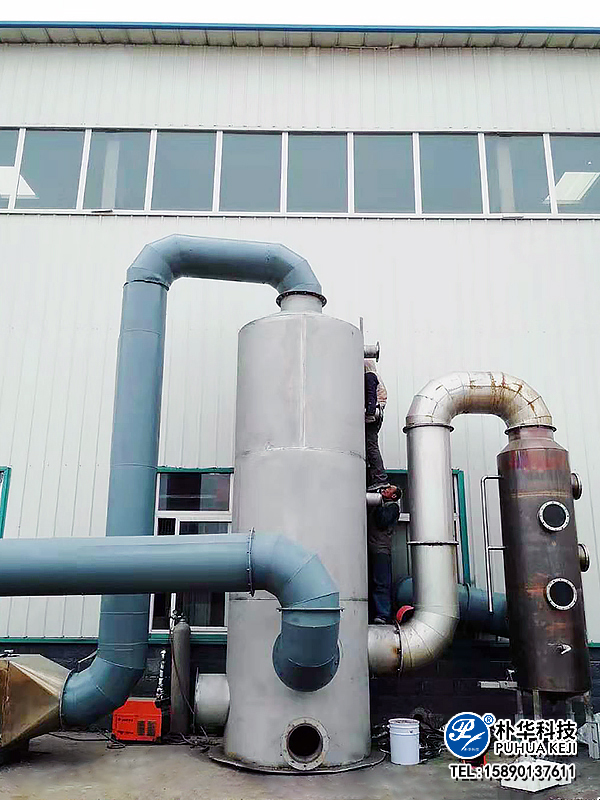
Malodorous gases from industrial and municipal sources pose significant environmental and health challenges, driving the need for effective and sustainable treatment methods. Biological odor control has emerged as a leading solution, leveraging natural processes to eliminate harmful compounds. This article delves into the technical principles and application prospects of biological methods for malodorous gas treatment, highlighting how innovations from companies like Zhengzhou Puhua Technology are shaping the future of environmental protection.
Understanding Biological Odor Control
Biological treatment utilizes microorganisms to break down malodorous substances into harmless byproducts like carbon dioxide and water. This process is highly efficient for compounds such as hydrogen sulfide, ammonia, and volatile organic compounds (VOCs). The core mechanisms include biofiltration, bioscrubbing, and biodegradation, which rely on optimized conditions for microbial activity. For instance, in biofiltration, gases pass through a moist media bed where microbes metabolize pollutants, making it a preferred method for its simplicity and cost-effectiveness.
Key Technical Principles of Biological Methods
The success of biological malodorous gas treatment hinges on several principles:
Microbial Selection: Specific bacteria and fungi are chosen based on the target pollutants to enhance degradation efficiency.
System Design: Bioreactors are engineered to maintain optimal temperature, pH, and moisture levels for microbial growth.
Nutrient Management: Essential nutrients are supplied to support microbial communities, ensuring sustained performance.
Process Integration: Biological systems can be combined with other technologies, such as adsorption, for comprehensive odor control.
These principles ensure that biological methods achieve high removal rates while minimizing energy consumption and environmental impact.
Advantages of Biological Odor Treatment
Compared to traditional chemical or physical methods, biological approaches offer multiple benefits:
Cost-effectiveness: Lower operational costs due to reduced chemical usage and energy requirements.
Environmental Sustainability: Produces no secondary pollution, aligning with green initiatives.
Versatility: Effective for a wide range of industrial applications, from wastewater treatment to manufacturing.
Scalability: Systems can be customized for small-scale facilities or large industrial plants.
These advantages make biological odor control a reliable choice for organizations seeking long-term solutions.
Application Prospects and Industry Trends
The adoption of biological methods is expanding across various sectors, driven by stricter environmental regulations and growing awareness of sustainability. Key application areas include:
Wastewater Treatment Plants: For controlling odors from sludge processing and aeration tanks.
Landfills and Waste Management: To mitigate gases released from decomposing organic matter.
Food and Beverage Industries: Addressing odors from fermentation and processing operations.
Agricultural Operations: Managing emissions from livestock farms and composting sites.
Future trends focus on enhancing microbial resilience, integrating smart monitoring systems, and developing hybrid technologies for improved efficiency. As global emphasis on air quality increases, biological treatment is poised to play a pivotal role in circular economy models.
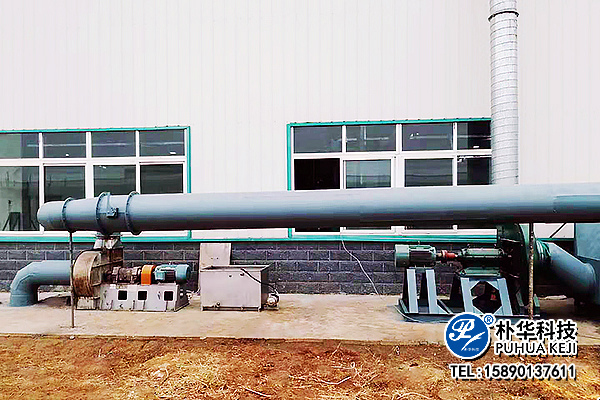
Zhengzhou Puhua Technology: Advancing Biological Odor Control Solutions
Zhengzhou Puhua Technology has established itself as a trusted provider of environmental protection equipment, with expertise in biological systems for malodorous gas treatment. Their product portfolio includes biofilters, bioscrubbers, and integrated solutions tailored to diverse industrial needs. By focusing on research and development, Zhengzhou Puhua Technology delivers equipment such as bag filters, RCO catalytic oxidation units, RTO systems, VOCs treatment devices, and wastewater treatment plants, ensuring high performance and compliance with environmental standards. Their commitment to innovation supports clients in achieving sustainable odor management goals.
Conclusion
Biological treatment represents a forward-looking approach to malodorous gas management, combining efficiency, sustainability, and adaptability. With ongoing advancements and the support of industry leaders like Zhengzhou Puhua Technology, these methods are set to broaden their impact across global markets. Embracing biological odor control can help organizations meet regulatory demands while contributing to a healthier environment.
Related Articles
-

Zeolite Fixed Bed+Catalytic Combustion Equipment (RCO)
[list:visits]
-

Resin desorption+condensation recovery equipment
[list:visits]
-

Cooking oil fume purifier
[list:visits]
Subscribe to Our Newsletter
Stay updated with the latest news and insights from Puhua Tech.